


World World 2 Facts: Did You Know These 29 Interesting Details?
Calvin Graham Was Youngest Decorated US Soldier at 12 Pearl Harbor Visitors Bureau “Green Boys” was a term given to soldiers who…
daniel-mercer··27 min read
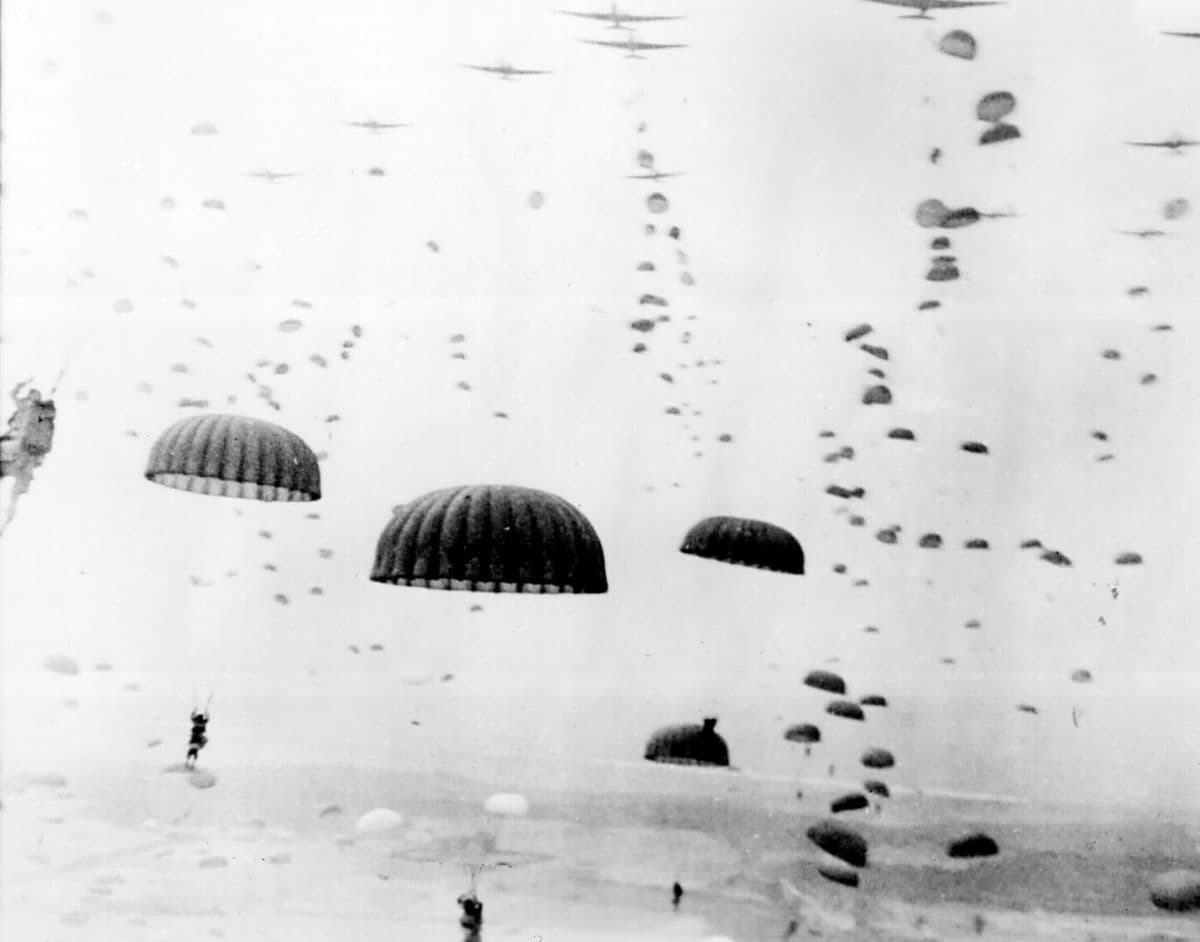
More than 16,000 Allied paratroopers from the British 6th Airborne Division and U.S. 17th Airborne Division launched Operation Varsity, the largest airborne operation ever conducted in a single day. Approximately 2,700 transport aircraft and 1,300 gliders dropped troops east of the Rhine near Wesel as part of Montgomery's Operation Plunder. All objectives were captured within hours, but at a cost of over 2,000 airborne casualties, the deadliest single day for Allied airborne troops in WWII.
Related articleQueen Elizabeth I died and James VI of Scotland became James I of England, uniting the two crowns and creating a combined military power that would dominate the British Isles and eventually build the world's largest empire. The union ended centuries of Anglo-Scottish warfare and created the military infrastructure that would project British power globally.
German physician Robert Koch presented his discovery of Mycobacterium tuberculosis, the bacterium that causes tuberculosis. TB had been the leading killer of soldiers in virtually every army in the world, often causing more military deaths than combat. Koch's discovery launched the scientific revolution in military medicine that transformed how armies fought disease.
Three days into Operation Michael, German forces crossed the Somme River while the Paris Gun, a massive railway-mounted cannon, fired its first shells on Paris from 75 miles away. Over 16 days, the Germans advanced 40 miles, the deepest penetration on the Western Front since trench warfare began in 1914.
Related articleOn the night of March 24, 76 Allied POWs escaped through "Tunnel Harry", a 30-foot-deep, 336-foot-long tunnel beneath Stalag Luft III. Masterminded by Squadron Leader Roger Bushell, it was the largest Allied escape of the war. Only 3 of the 76 reached freedom. A furious Hitler ordered 50 of the recaptured men executed by the Gestapo, a war crime that was investigated and prosecuted after the war.
German SS forces executed 335 Italian civilians and political prisoners in the Ardeatine Caves outside Rome in reprisal for a partisan bombing that killed 33 German soldiers. Hitler ordered 10 Italians killed for every German, and the SS exceeded even that ratio. Victims included resistance fighters, political prisoners, 75 Jews, and civilians grabbed off the streets. The youngest was 15, the oldest over 70.
Related articleMore than 16,000 Allied paratroopers from the British 6th Airborne Division and U.S. 17th Airborne Division launched Operation Varsity, the largest airborne operation ever conducted in a single day. Approximately 2,700 transport aircraft and 1,300 gliders dropped troops east of the Rhine near Wesel as part of Montgomery's Operation Plunder. All objectives were captured within hours, but at a cost of over 2,000 airborne casualties, the deadliest single day for Allied airborne troops in WWII.
Related articleBritish and Indian forces under General William Slim captured the vital Japanese logistics hub of Meiktila in central Burma, cutting off supplies to the entire Japanese Fifteenth and Thirty-Third Armies. The audacious armored thrust across 300 miles of difficult terrain is considered one of the finest operational maneuvers of World War II.
The Argentine military overthrew President Isabel Perón in a coup that installed a junta led by General Jorge Videla. The subsequent "Dirty War" saw the military regime kidnap, torture, and murder an estimated 30,000 people. The junta's 1982 decision to invade the Falkland Islands led to a war with Britain that ended the regime.
NATO launched its first-ever combat operation, a 78-day air campaign against Yugoslavia to halt Serbian ethnic cleansing of Kosovar Albanians. Over 1,000 aircraft flew more than 38,000 sorties without a single Allied combat death. Serbia capitulated on June 10. The operation was controversial for lacking a UN mandate but established the principle that air power alone could compel a nation to capitulate.

Lieutenant Admiral, Dutch States Navy
Widely considered the greatest admiral of the 17th century. Rose from humble origins to command the Dutch fleet, won the Four Days' Battle, and executed the devastating Raid on the Medway, sailing up the Thames to destroy much of the English fleet. His tactical genius prevented the invasion and conquest of the Netherlands.

Brevet Lieutenant Colonel, U.S. Army
Lost his right arm to a minié ball at the Battle of Shiloh but returned to service and fought at Vicksburg, Champion Hill, and Nashville. After the war, he led the first documented passage through the Grand Canyon, with one arm, and later directed the U.S. Geological Survey. A remarkable example of a combat-wounded veteran who achieved extraordinary things.

Major General, British Army
A brilliant pioneer of irregular warfare who created the Special Night Squads in Palestine, led the Gideon Force that liberated Ethiopia, and commanded the Chindits behind Japanese lines in Burma. Killed when his B-25 crashed during the second Chindit expedition. Churchill called him "a man of genius who might well have become also a man of destiny."

Field Marshal, British Army
Commander of the British Eighth Army at El Alamein, the first major British land victory of WWII. Led Allied ground forces on D-Day and through the campaigns to Germany. Planned Operation Plunder, the Rhine crossing that Varsity supported on March 24, 1945, exactly 31 years before his death. Meticulous, cautious, and controversial, he was admired by his troops but frequently clashed with American commanders.
Wear the Timeline
10 military events occurred on March 24, spanning multiple centuries. Key events include: Operation Varsity, The Largest Single-Day Airborne Assault (1945), The Great Escape from Stalag Luft III (1944), The Ardeatine Caves Massacre in Rome (1944), NATO Launches Operation Allied Force Against Yugoslavia (1999).
The most significant military event on March 24 is Operation Varsity, The Largest Single-Day Airborne Assault (1945). More than 16,000 Allied paratroopers from the British 6th Airborne Division and U.S. 17th Airborne Division launched Operation Varsity, the largest airborne operation ever conducted in a single day. Approximately 2,700 transport aircraft and 1,300 gliders dropped troops east of the Rhine near Wesel as part of Montgomery's Operation Plunder. All objectives were captured within hours, but at a cost of over 2,000 airborne casualties, the deadliest single day for Allied airborne troops in WWII.
Notable military figures born on March 24 include Lieutenant Admiral Michiel de Ruyter (1607–1676), Brevet Lieutenant Colonel John Wesley Powell (1834–1902).
Events on March 24 span World War II, the Modern Era, the Cold War, World War I, the Colonial & Revolutionary era, covering 10 events across 3 centuries of military history.
Events on March 24 involve 4 branches of the U.S. and allied armed forces, reflecting the global scope of military operations throughout history.
Explore military history from the day you were born.
June 6
The Allied invasion of Normandy, the largest amphibious assault in history.
December 7
Japan attacks the U.S. Pacific Fleet, bringing America into World War II.
September 11
The deadliest terrorist attack in history transforms U.S. national security.
August 6
The first atomic bomb is dropped on a city, ushering in the nuclear age.
May 8
Nazi Germany surrenders unconditionally, ending World War II in Europe.
November 11
Armistice Day marks the end of World War I and honors all who served.
June 4
The turning point of the Pacific War as the U.S. Navy destroys four Japanese carriers.
July 4
The Declaration of Independence is adopted, sparking the American Revolution.
Calvin Graham Was Youngest Decorated US Soldier at 12 Pearl Harbor Visitors Bureau “Green Boys” was a term given to soldiers who…

Every regulation has a backstory. These 23 rules trace directly to specific incidents.
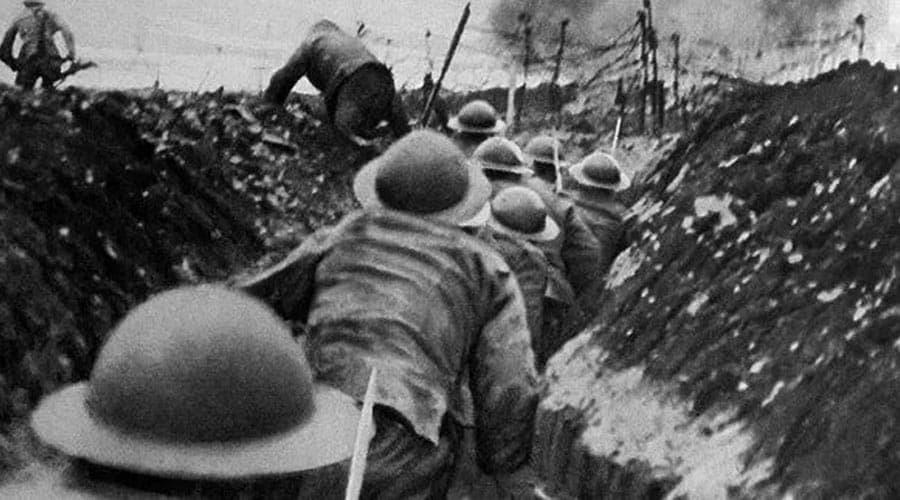
Harrowing first-person accounts from soldiers who endured the mud, gas, and constant shelling of World War I's Western Front.
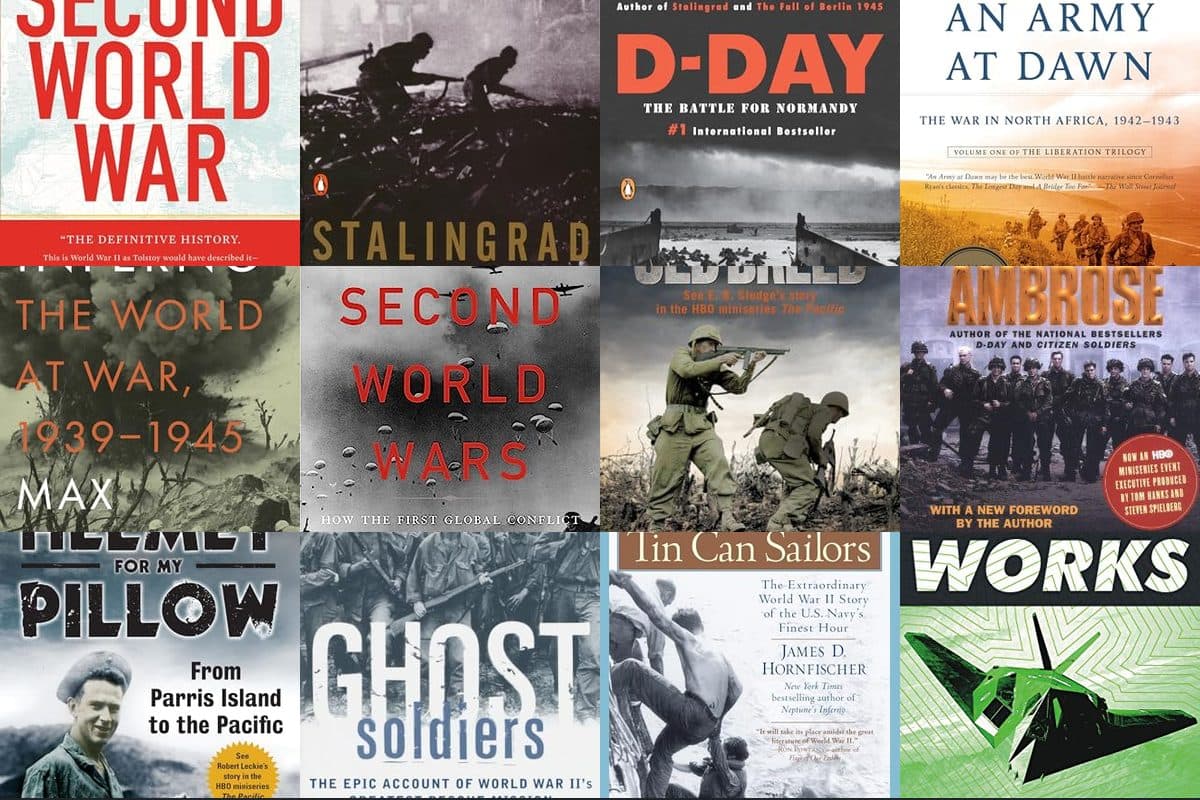
15 essential WW2 books covering every theater. Narrative histories, memoirs, and visual references ranked.