
15 Best World War II Books for History Enthusiasts (2026)
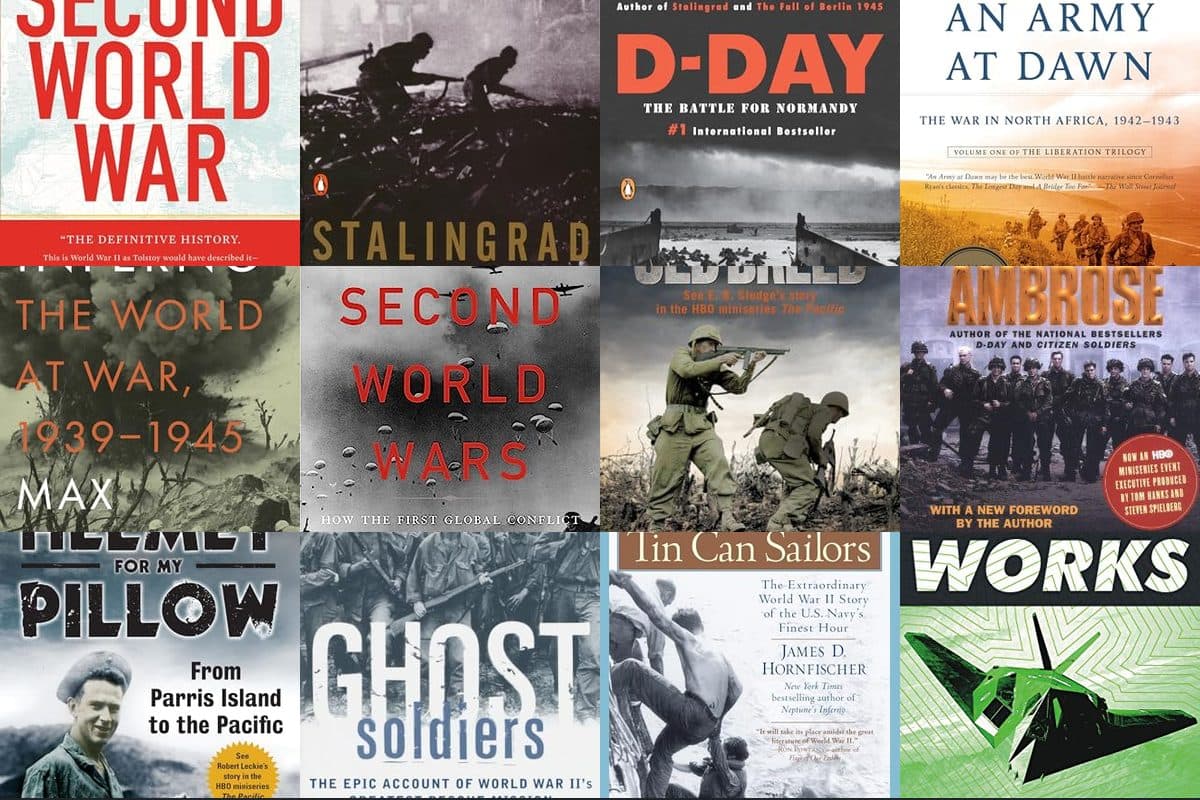
15 essential WW2 books covering every theater. Narrative histories, memoirs, and visual references ranked.
daniel-mercer··21 min read

Secretary of the Navy George Bancroft established the Naval School (later the United States Naval Academy) at a ten-acre Army post called Fort Severn in Annapolis, Maryland. The school opened with 50 midshipmen and seven professors. The Naval Academy would produce generations of naval officers who led the U.S. Navy from wooden sailing ships to nuclear-powered carrier strike groups, training leaders who shaped every major American naval engagement from the Civil War to the present.
Frankish and Burgundian forces under Charles Martel halted an advancing Umayyad army near Tours, France, in one of the most significant battles in European history. The Muslim force, which had conquered most of the Iberian Peninsula and was raiding deep into Frankish territory, was defeated in a day-long battle. Historians debate whether Tours truly "saved" Christian Europe, but the battle ended large-scale Muslim military expansion north of the Pyrenees.
The deadliest Atlantic hurricane in recorded history struck the Caribbean, killing an estimated 22,000 people across Martinique, St. Eustatius, and Barbados. The hurricane devastated British and French naval forces operating in the Caribbean during the American Revolution, sinking dozens of warships and transport vessels. Both the British fleet under Admiral Rodney and the French fleet suffered catastrophic losses that disrupted military operations for months.
The Canadian Pacific Railway steamer SS Princess Sophia, carrying 343 passengers and crew, many of them returning soldiers and gold miners, struck Vanderbilt Reef in Alaska's Lynn Canal during a blizzard. All 343 aboard perished when the ship slid off the reef and sank, making it the worst maritime disaster in the history of British Columbia and Alaska.
The SS liquidated the "Gypsy Family Camp" at Auschwitz-Birkenau, sending approximately 800 Romani (Roma) children and their mothers to the gas chambers. The Romani Holocaust, known as the Porajmos, killed an estimated 220,000 to 500,000 Roma across Nazi-occupied Europe. This atrocity was part of the systematic genocide that the Nuremberg Trials would later classify as crimes against humanity.
President Harry Truman signed the Mutual Security Act, consolidating American foreign military aid programs into a unified framework. The act formalized the system of military assistance to allied nations that became a cornerstone of U.S. Cold War strategy, eventually providing weapons, training, and equipment to dozens of nations aligned against the Soviet Union.
A fire in the Number 1 Pile at the Windscale nuclear facility in Cumberland, England on October 10, 1957, released radioactive contamination across northern England and Ireland and became the first major accident in a military plutonium production reactor, shaping nuclear safety doctrine for the following four decades.
The United States launched Operation Nickel Grass, a strategic airlift of military supplies to Israel during the Yom Kippur War. Over 32 days, C-5 Galaxy and C-141 Starlifter transports flew 567 missions from the US to Lod Airport, delivering 22,325 tons of tanks, artillery, ammunition, and consumable stores. The operation preserved Israeli combat capability at a moment when the Israel Defense Forces were running short of critical equipment.
The Senate passed the USA PATRIOT Act by a vote of 98 to 1, with preliminary framework approval on October 10 leading to final passage on October 25. The act expanded the authority of law enforcement and intelligence agencies to detect and prevent terrorist activity, creating the legal framework under which the Global War on Terrorism would be prosecuted over the next two decades.

American-born painter who became the foremost military artist of his era. His painting "The Death of General Wolfe" (1770), depicting the Battle of the Plains of Abraham, revolutionized history painting by showing soldiers in contemporary uniforms rather than classical dress. West served as President of the Royal Academy and painted numerous military scenes that shaped public understanding of warfare.

Norwegian explorer, scientist, and diplomat who was awarded the Nobel Peace Prize in 1922 for his work repatriating prisoners of war after World War I. Nansen created the "Nansen passport" for stateless refugees, many of them displaced by war, and his humanitarian work established frameworks for managing the aftermath of military conflicts.

Italian writer and intellectual who served in World War II and whose post-war work explored the moral complexities of Italy's wartime experience, including the fascist period, the resistance, and the Allied liberation. His writing contributed to Italy's reckoning with its militarist past.
Wear the Timeline
10 military events occurred on October 10, spanning multiple centuries. Key events include: United States Naval Academy Opens at Annapolis (1845), Battle of Tours (732), Operation Nickel Grass Begins (1973), The Windscale Fire and the First Major Nuclear Accident in a Military Production Reactor (1957).
The most significant military event on October 10 is United States Naval Academy Opens at Annapolis (1845). Secretary of the Navy George Bancroft established the Naval School (later the United States Naval Academy) at a ten-acre Army post called Fort Severn in Annapolis, Maryland. The school opened with 50 midshipmen and seven professors. The Naval Academy would produce generations of naval officers who led the U.S. Navy from wooden sailing ships to nuclear-powered carrier strike groups, training leaders who shaped every major American naval engagement from the Civil War to the present.
Notable military figures born on October 10 include Benjamin West (1738–1820), Fridtjof Nansen (1861–1930).
Events on October 10 span the Interwar Period, World War II, the Colonial & Revolutionary era, World War I, the Cold War, the Civil War, the Modern Era, covering 10 events across 5 centuries of military history.
Events on October 10 involve 3 branches of the U.S. and allied armed forces, reflecting the global scope of military operations throughout history.
Explore military history from the day you were born.
June 6
The Allied invasion of Normandy, the largest amphibious assault in history.
December 7
Japan attacks the U.S. Pacific Fleet, bringing America into World War II.
September 11
The deadliest terrorist attack in history transforms U.S. national security.
August 6
The first atomic bomb is dropped on a city, ushering in the nuclear age.
May 8
Nazi Germany surrenders unconditionally, ending World War II in Europe.
November 11
Armistice Day marks the end of World War I and honors all who served.
June 4
The turning point of the Pacific War as the U.S. Navy destroys four Japanese carriers.
July 4
The Declaration of Independence is adopted, sparking the American Revolution.
15 essential WW2 books covering every theater. Narrative histories, memoirs, and visual references ranked.
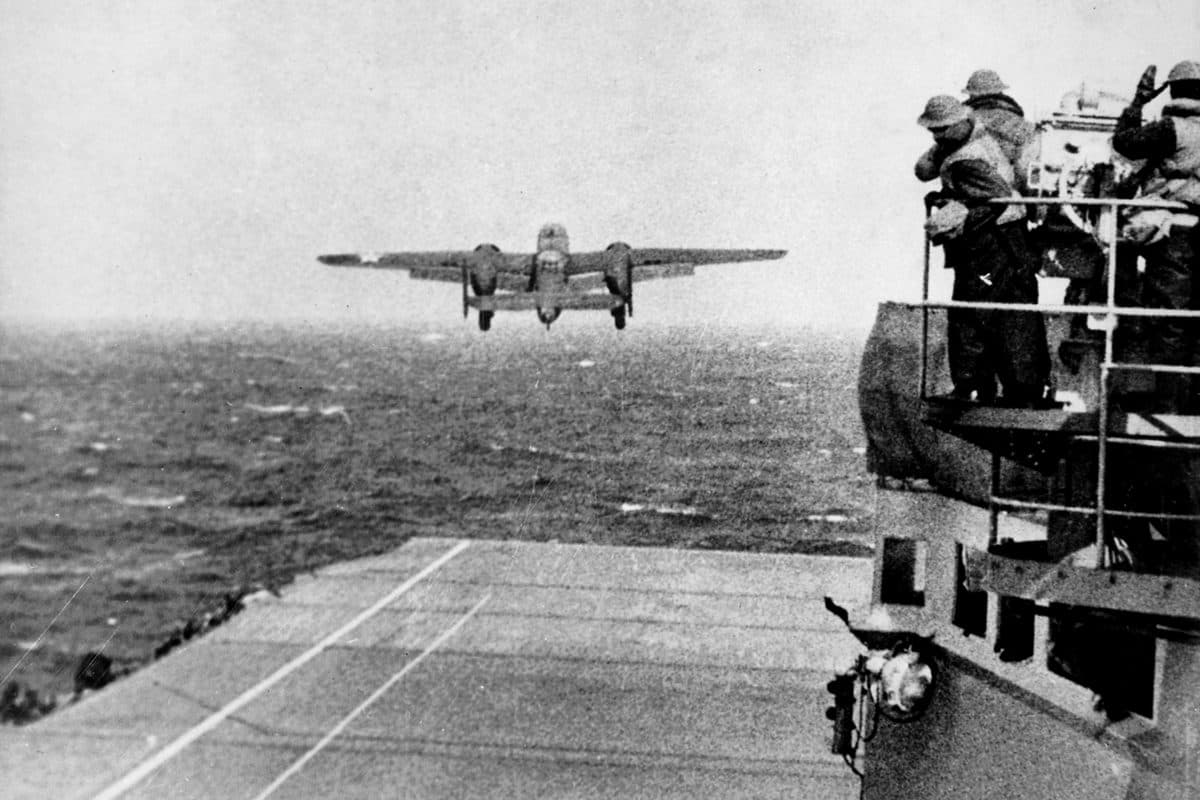
On April 18, 1942, sixteen B-25 Mitchell bombers did something no one thought possible: they launched from the deck of an aircraft carrier, flew 650 miles to Japan, and bombed Tokyo. Every aircraft was lost. The damage was negligible. The consequences changed the war.
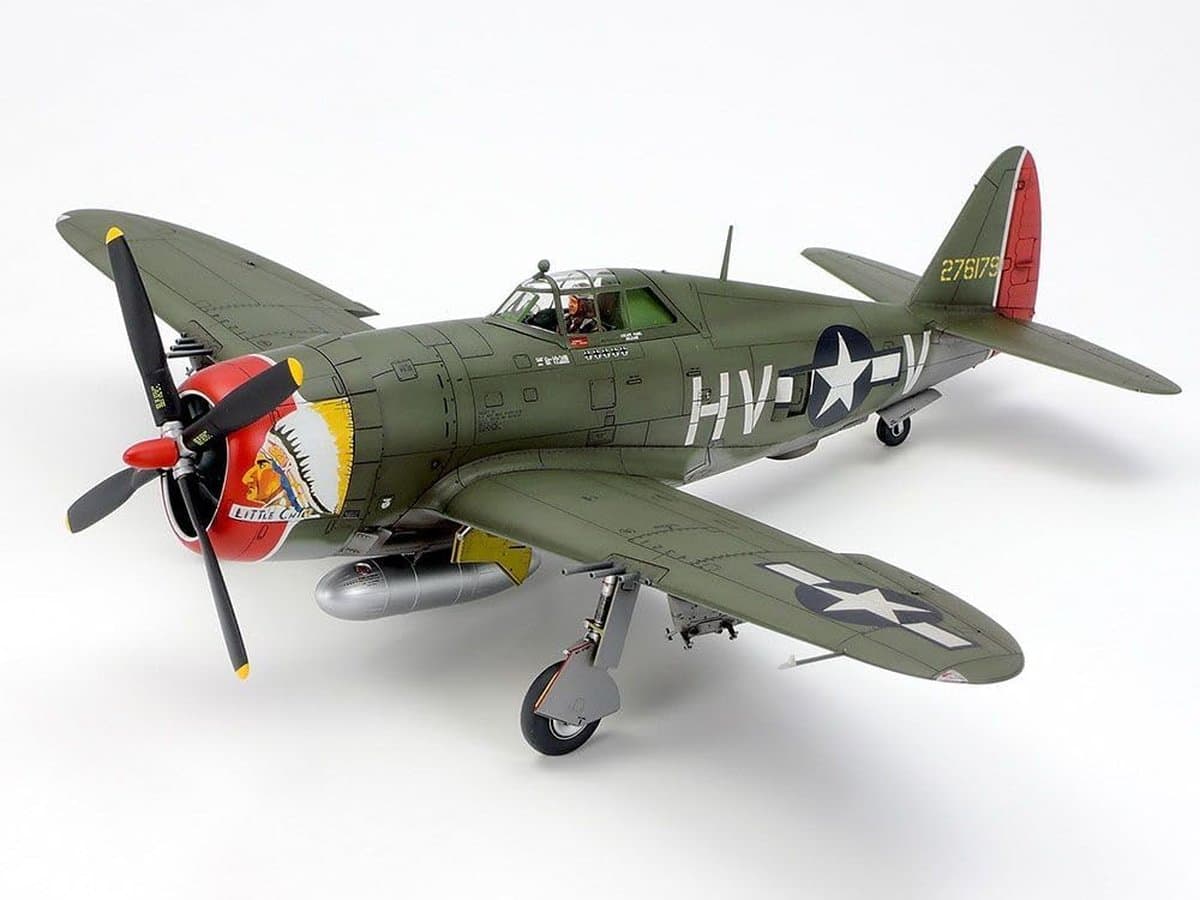
Compare 85+ WW2 scale model kits across aircraft, tanks, and ships. Beginner builds from $9 to museum-grade showpieces at $580. Covers Tamiya, Eduard, HK Models, Trumpeter, and more with honest reviews, trade-offs, and pricing.

On April 7, 1945, the Imperial Japanese Navy sent the largest battleship ever built on a one-way suicide mission to Okinawa. She never arrived. 386 American aircraft found her first, and sank her in under two hours.