

15 Best World War II Books for History Enthusiasts (2026)
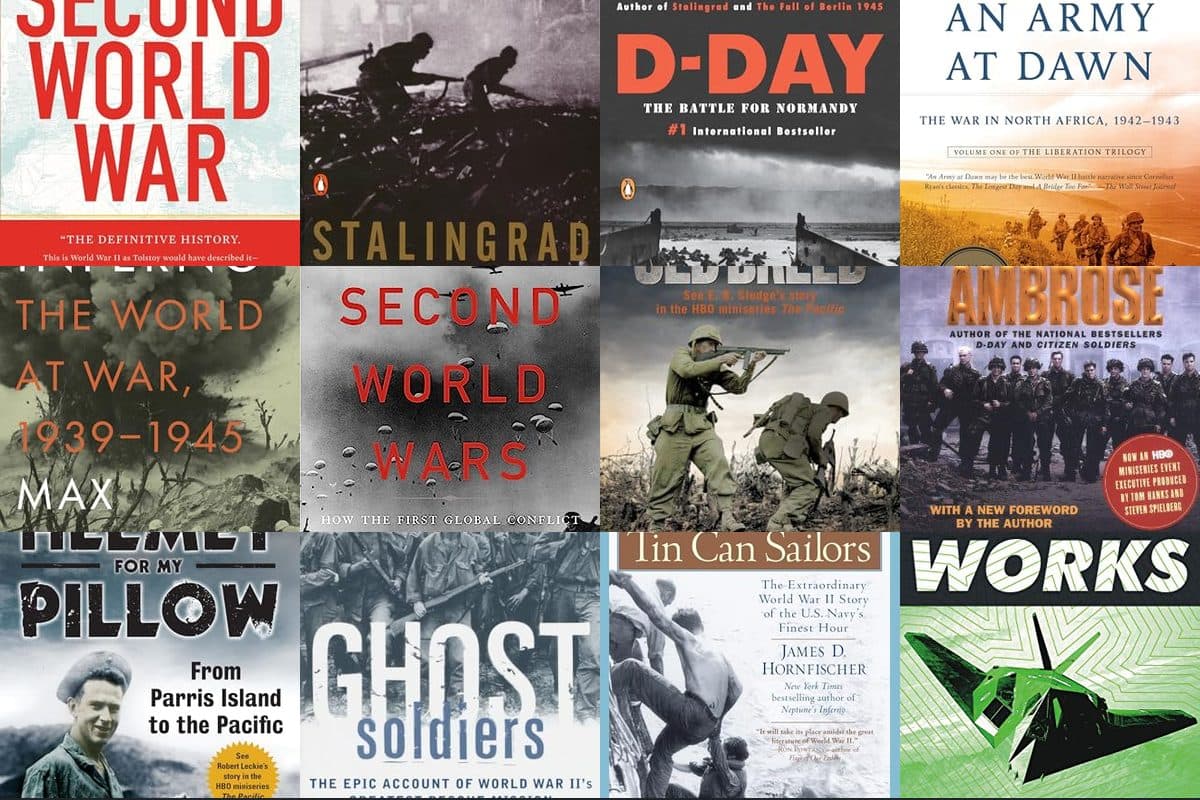
15 essential WW2 books covering every theater. Narrative histories, memoirs, and visual references ranked.
daniel-mercer··21 min read

The Second Boer War erupted as the South African Republic (Transvaal) and the Orange Free State declared war on the British Empire following the expiration of an ultimatum demanding the withdrawal of British troops. The three-year conflict pitted Boer commandos against the largest army Britain had deployed since the Napoleonic Wars, introducing concentration camps, scorched-earth warfare, and guerrilla tactics that foreshadowed the brutal conflicts of the twentieth century.
Pope Leo X bestowed the title "Fidei Defensor" (Defender of the Faith) on King Henry VIII of England for his written attack on Martin Luther's theology. The irony was profound: within a decade, Henry would break with Rome, establish the Church of England, dissolve the monasteries, and trigger the English Reformation, religious upheavals that would fuel centuries of religious warfare across Europe and profoundly shape the English military tradition.
A makeshift American fleet under Benedict Arnold fought a British squadron on Lake Champlain near Valcour Island, New York. Although Arnold lost most of his ships, the battle delayed the British advance on Albany by a full year, preventing a link-up with General Howe and setting the stage for the decisive American victory at Saratoga in 1777. Many historians consider Valcour Island one of the most strategically important naval battles in American history.
A small American fleet under Brigadier General Benedict Arnold engaged a superior British force on Lake Champlain in the first major naval battle fought by the American Continental forces. Although Arnold lost most of his ships, the delay he imposed on the British advance forced them to winter in Canada rather than push south to capture Albany, a delay that ultimately contributed to the Saratoga campaign the following year.
The Boer republics declared war on the British Empire, beginning a three-year conflict that introduced concentration camps, scorched-earth warfare, and guerrilla tactics that foreshadowed the brutality of the twentieth century.
A U.S. Navy cruiser-destroyer force under Rear Admiral Norman Scott intercepted a Japanese force attempting to reinforce Guadalcanal in a nighttime naval battle off Cape Esperance, Savo Island. The Americans achieved a rare tactical victory in the brutal Solomon Islands campaign, sinking a cruiser and a destroyer, though they also lost a destroyer to friendly fire. The battle was one of the few occasions American forces achieved surprise over the Japanese in a night surface action.
The Tuvan People's Republic, a small Soviet satellite state in Central Asia, was formally annexed by the Soviet Union as the Tuvan Autonomous Oblast. Tuva had been among the first nations to declare war on Nazi Germany, doing so even before the Soviet Union. The tiny republic contributed cavalry troops, livestock, and gold to the Soviet war effort, and its annexation was part of Stalin's consolidation of territory during World War II.
Apollo 7, the first crewed Apollo mission, launched from Cape Kennedy with astronauts Wally Schirra, Donn Eisele, and Walt Cunningham. The 11-day Earth-orbital mission tested the Apollo Command and Service Module after the devastating Apollo 1 fire that killed three astronauts. The successful flight was a critical milestone in the military-civilian space program that would put Americans on the Moon nine months later.
Apollo 7, the first crewed Apollo mission, lifted off from Cape Kennedy atop a Saturn IB rocket carrying commander Walter Schirra, senior pilot Donn Eisele, and pilot Walter Cunningham. The 11-day orbital test flight validated the Block II Apollo command and service module after the January 1967 Apollo 1 fire that had killed three astronauts. The mission cleared the path for Apollo 8's lunar orbit flight two months later.
Space Shuttle Challenger mission STS-41-G began a series of operational firsts on October 11, 1984, including the first untethered U.S. extravehicular activity and the first simulated satellite refueling in orbit, capabilities that would later underpin military satellite servicing operations.
President Ronald Reagan and Soviet General Secretary Mikhail Gorbachev met at Hofdi House in Reykjavik, Iceland, for two days of discussions on strategic nuclear arms reduction. Although the summit ended without an agreement due to Gorbachev's insistence that Reagan cancel the Strategic Defense Initiative, the Reykjavik talks laid the foundation for the 1987 Intermediate-Range Nuclear Forces Treaty that eliminated an entire class of nuclear weapons.

First Lady who transformed the role during World War II, visiting troops in the Pacific and European theaters, inspecting military hospitals, and advocating for servicemembers' welfare. Her 1943 tour of the South Pacific, visiting combat zones in New Zealand, Australia, and Guadalcanal, boosted morale and earned the respect of soldiers and commanders alike.

General
American general known as "Vinegar Joe" who commanded U.S. forces in the China-Burma-India theater during World War II. Stilwell personally led the retreat from Burma in 1942 and later commanded the forces that built the Ledo Road. His abrasive honesty, "I claim we got a hell of a beating", was legendary.

Captain
Co-leader of the Lewis and Clark Expedition (1804-1806), the first American overland expedition to the Pacific coast. Lewis, who served as Thomas Jefferson's private secretary before leading the expedition, was also Governor of the Louisiana Territory. He died under mysterious circumstances, either suicide or murder, at a roadside inn in Tennessee.
Wear the Timeline
10 military events occurred on October 11, spanning multiple centuries. Key events include: Second Boer War Begins (1899), Battle of Valcour Island (1776), Apollo 7 Launches on Saturn IB (1968).
The most significant military event on October 11 is Second Boer War Begins (1899). The Second Boer War erupted as the South African Republic (Transvaal) and the Orange Free State declared war on the British Empire following the expiration of an ultimatum demanding the withdrawal of British troops. The three-year conflict pitted Boer commandos against the largest army Britain had deployed since the Napoleonic Wars, introducing concentration camps, scorched-earth warfare, and guerrilla tactics that foreshadowed the brutal conflicts of the twentieth century.
Notable military figures born on October 11 include Eleanor Roosevelt (1884–1962), Joseph Stilwell (1883–1946).
Events on October 11 span the Interwar Period, the Colonial & Revolutionary era, World War II, the Cold War, covering 10 events across 4 centuries of military history.
Events on October 11 involve 4 branches of the U.S. and allied armed forces, reflecting the global scope of military operations throughout history.
Explore military history from the day you were born.
June 6
The Allied invasion of Normandy, the largest amphibious assault in history.
December 7
Japan attacks the U.S. Pacific Fleet, bringing America into World War II.
September 11
The deadliest terrorist attack in history transforms U.S. national security.
August 6
The first atomic bomb is dropped on a city, ushering in the nuclear age.
May 8
Nazi Germany surrenders unconditionally, ending World War II in Europe.
November 11
Armistice Day marks the end of World War I and honors all who served.
June 4
The turning point of the Pacific War as the U.S. Navy destroys four Japanese carriers.
July 4
The Declaration of Independence is adopted, sparking the American Revolution.
15 essential WW2 books covering every theater. Narrative histories, memoirs, and visual references ranked.
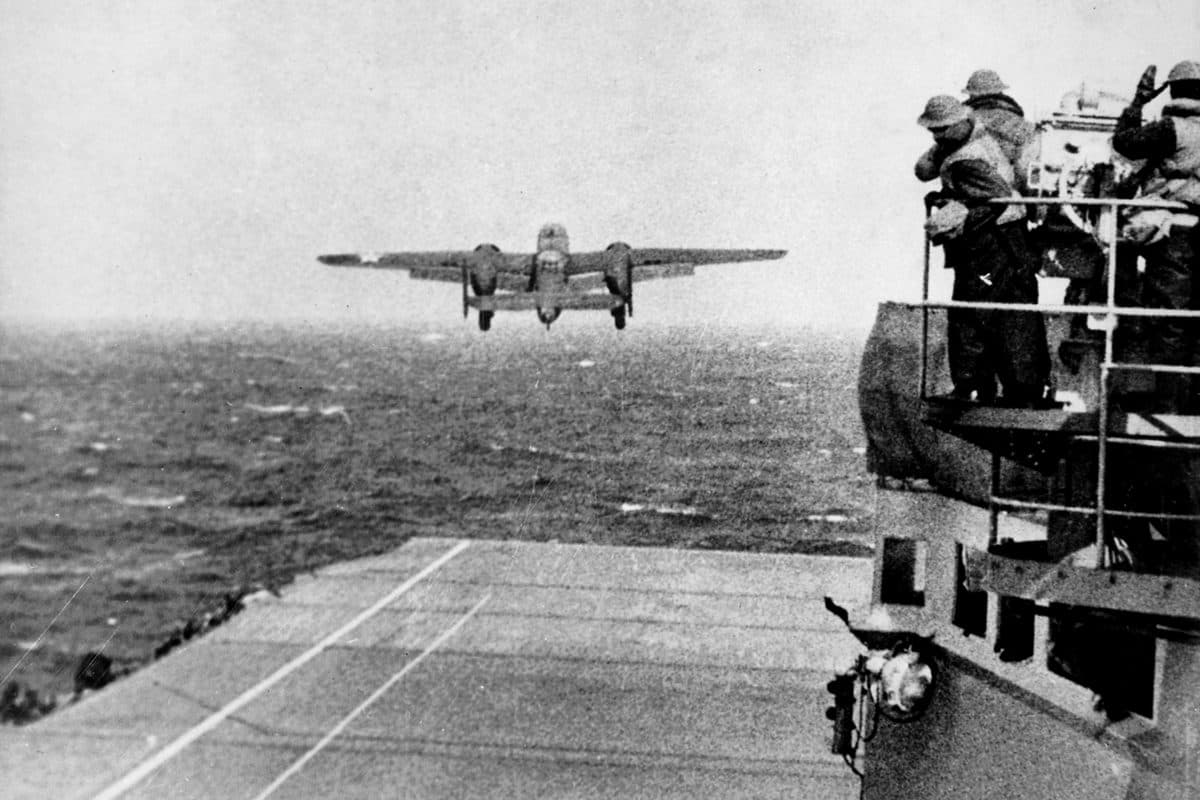
On April 18, 1942, sixteen B-25 Mitchell bombers did something no one thought possible: they launched from the deck of an aircraft carrier, flew 650 miles to Japan, and bombed Tokyo. Every aircraft was lost. The damage was negligible. The consequences changed the war.
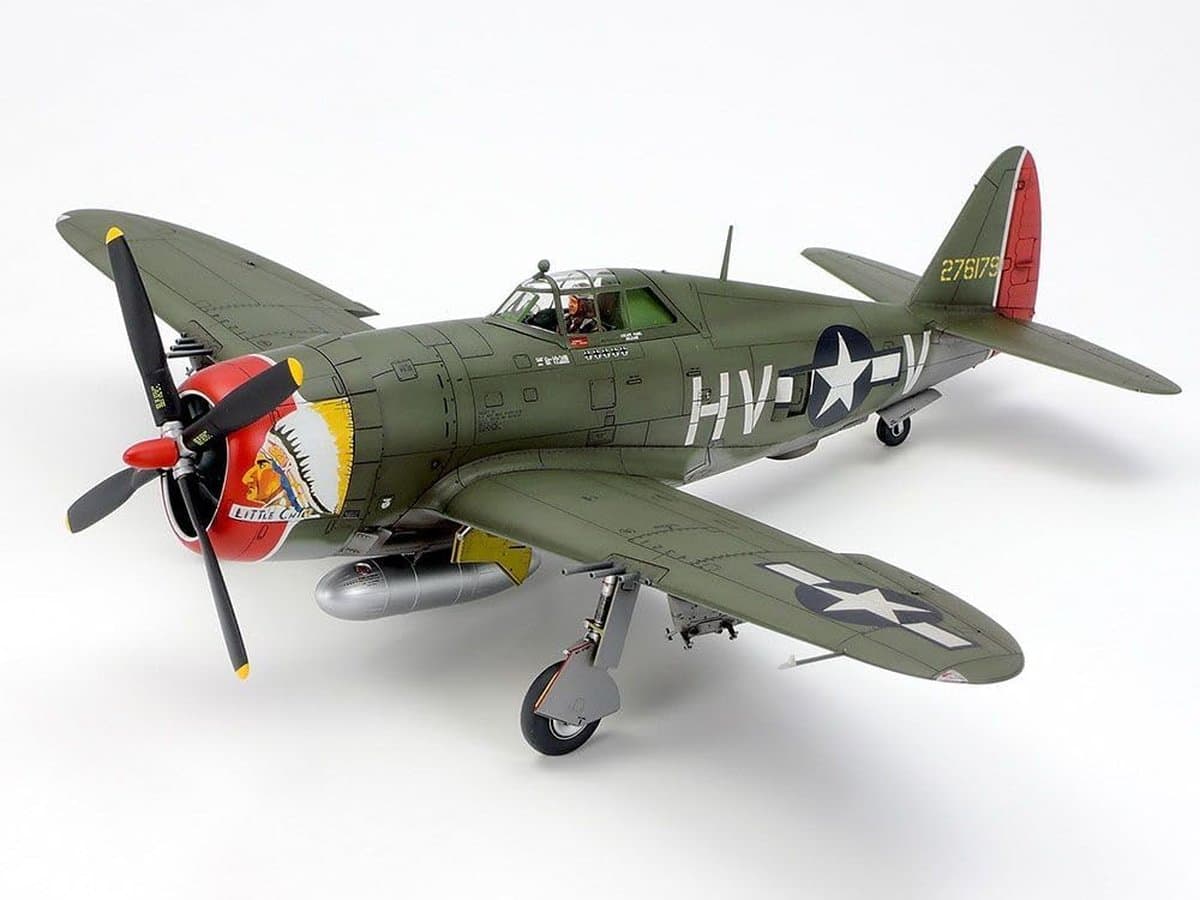
Compare 85+ WW2 scale model kits across aircraft, tanks, and ships. Beginner builds from $9 to museum-grade showpieces at $580. Covers Tamiya, Eduard, HK Models, Trumpeter, and more with honest reviews, trade-offs, and pricing.

On April 7, 1945, the Imperial Japanese Navy sent the largest battleship ever built on a one-way suicide mission to Okinawa. She never arrived. 386 American aircraft found her first, and sank her in under two hours.