
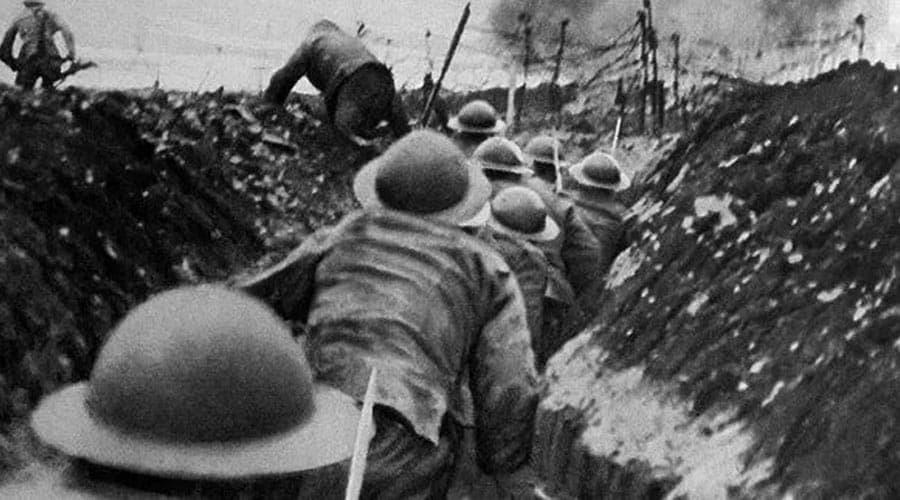
20 Chilling Quotes from the Trenches of World War I
Harrowing first-person accounts from soldiers who endured the mud, gas, and constant shelling of World War I's Western Front.
james-holloway··8 min read

The American Expeditionary Forces launched the Meuse-Argonne Offensive, the largest and bloodiest military operation in American history. Over 1.2 million American troops attacked along a 24-mile front between the Meuse River and the Argonne Forest. The 47-day offensive would cost 26,277 American dead and over 95,000 wounded but would break the Hindenburg Line and force Germany to seek an armistice.
Chilling Quotes from WWI TrenchesBritish forces under General Sir William Howe occupied Philadelphia, the American capital, after outmaneuvering Washington at the Battle of Brandywine. The Continental Congress fled first to Lancaster and then to York, Pennsylvania. Despite capturing the enemy capital, Howe had failed to destroy Washington's army, the only objective that truly mattered.
New Zealand was elevated from a colony to a Dominion of the British Empire, gaining greater self-governance including control of its military forces. New Zealand troops would serve with extraordinary distinction in both World Wars, at Gallipoli, the Western Front, El Alamein, Monte Cassino, and in the Pacific.
New Zealand formally transitioned from colony to self-governing Dominion within the British Empire. Within seven years New Zealand divisions would fight at Gallipoli and on the Western Front, and the country's military contribution out of all proportion to its population would shape imperial defense planning for the rest of the twentieth century.
Over 1.2 million American troops attacked along a 24-mile front in the largest and bloodiest military operation in American history. The 47-day offensive broke the Hindenburg Line and forced Germany to seek an armistice.
Chilling Quotes from WWI TrenchesThe American Expeditionary Forces opened the Meuse-Argonne Offensive with 22 divisions, the largest operation in U.S. military history up to that point. Over 47 days of continuous fighting the attack broke the German defensive belts, cut the Metz-Sedan rail line, and contributed decisively to the Armistice. U.S. casualties exceeded 122,000.
Canadian and British authorities began releasing the first official accounts of the August 1942 Dieppe Raid, exposing both the operational failures that killed 3,600 of the 6,000 raiders and the intelligence lessons that reshaped amphibious assault planning for the Normandy landings two years later.
United Nations forces recaptured Seoul from North Korean occupation, completing the reversal of the war that began with the Inchon landing. The battle for Seoul was intense, with U.S. Marines fighting house-to-house through barricaded streets. MacArthur formally returned the government of President Syngman Rhee in a ceremony at the damaged capitol building on September 29.
Soviet Lieutenant Colonel Stanislav Petrov, on duty at a nuclear early warning center near Moscow, chose to report an apparent U.S. missile launch as a false alarm rather than following protocol to escalate to his superiors. The Soviet satellite system had falsely detected five incoming ICBMs. Petrov's decision may have prevented a retaliatory nuclear strike that could have triggered full-scale nuclear war.

Nobel Prize-winning poet whose "The Waste Land" (1922) was profoundly shaped by the devastation of World War I. The poem's fractured, nightmarish imagery of death and ruin captured the psychological trauma of a generation scarred by the trenches, and it remains one of the most influential literary responses to modern warfare.

American composer whose patriotic compositions, including "Strike Up the Band" and "Of Thee I Sing", became staples of military and civilian patriotic music. His brother Ira wrote songs for military entertainment during World War II.

American frontiersman and militia officer who served in the French and Indian War and the American Revolution. His exploration and settlement of Kentucky came at the cost of constant warfare with Native American tribes and British forces. He was captured by Shawnee warriors in 1778 and adopted into the tribe before escaping to warn of an impending attack on Boonesborough.
Wear the Timeline
10 military events occurred on September 26, spanning multiple centuries. Key events include: Meuse-Argonne Offensive Begins (1918), Seoul Liberated by UN Forces (1950), Stanislav Petrov Prevents Nuclear War (1983), Meuse-Argonne Offensive Begins (1918).
The most significant military event on September 26 is Meuse-Argonne Offensive Begins, Largest American Battle in History (1918). The American Expeditionary Forces launched the Meuse-Argonne Offensive, the largest and bloodiest military operation in American history. Over 1.2 million American troops attacked along a 24-mile front between the Meuse River and the Argonne Forest. The 47-day offensive would cost 26,277 American dead and over 95,000 wounded but would break the Hindenburg Line and force Germany to seek an armistice.
Notable military figures born on September 26 include T.S. Eliot (1888–1965), George Gershwin (1898–1937).
Events on September 26 span World War I, the Colonial & Revolutionary era, the Interwar Period, the Korean War, the Cold War, World War II, covering 10 events across 3 centuries of military history.
Events on September 26 involve 6 branches of the U.S. and allied armed forces, reflecting the global scope of military operations throughout history.
Explore military history from the day you were born.
June 6
The Allied invasion of Normandy, the largest amphibious assault in history.
December 7
Japan attacks the U.S. Pacific Fleet, bringing America into World War II.
September 11
The deadliest terrorist attack in history transforms U.S. national security.
August 6
The first atomic bomb is dropped on a city, ushering in the nuclear age.
May 8
Nazi Germany surrenders unconditionally, ending World War II in Europe.
November 11
Armistice Day marks the end of World War I and honors all who served.
June 4
The turning point of the Pacific War as the U.S. Navy destroys four Japanese carriers.
July 4
The Declaration of Independence is adopted, sparking the American Revolution.
Harrowing first-person accounts from soldiers who endured the mud, gas, and constant shelling of World War I's Western Front.
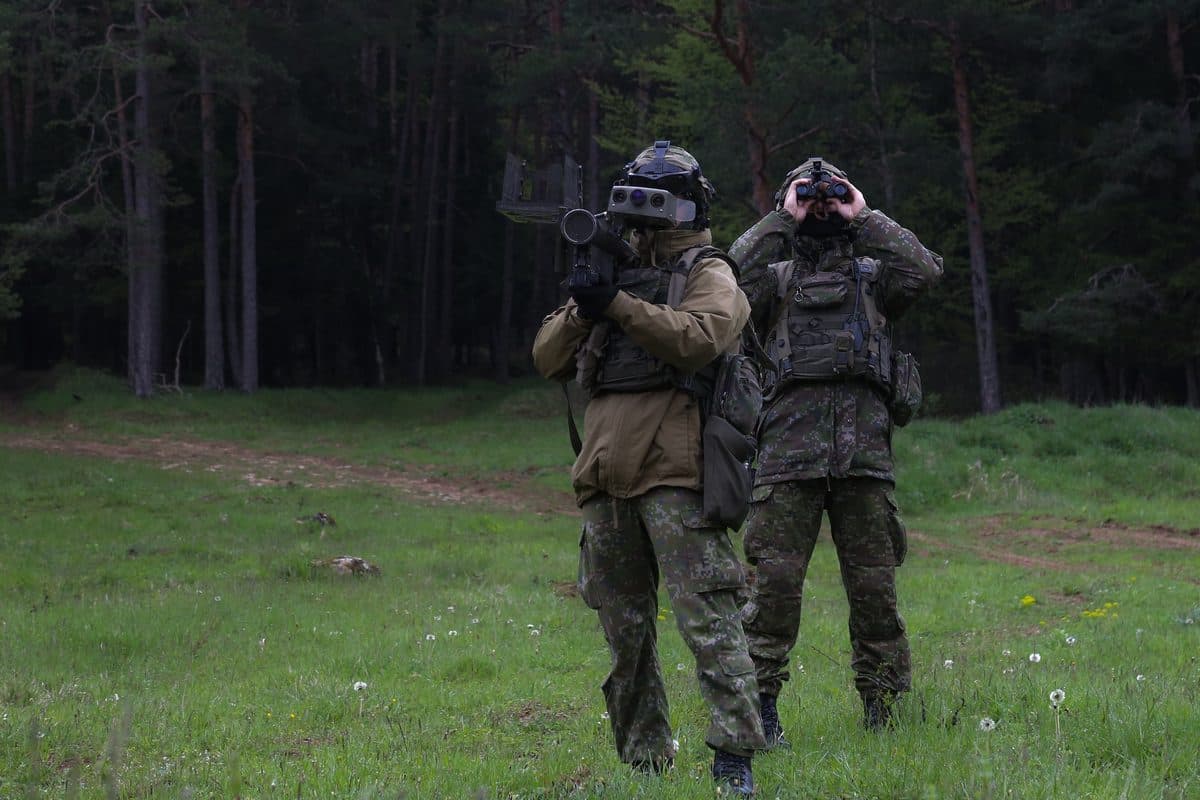
The FIM-92 Stinger helped win the Cold War by turning Afghan mujahideen into a credible anti-aircraft threat. By 2023, the United States almost ran out of them, because Raytheon stopped making them for 13 years, and the first 10 months of Ukraine support burned through the remaining stockpile.
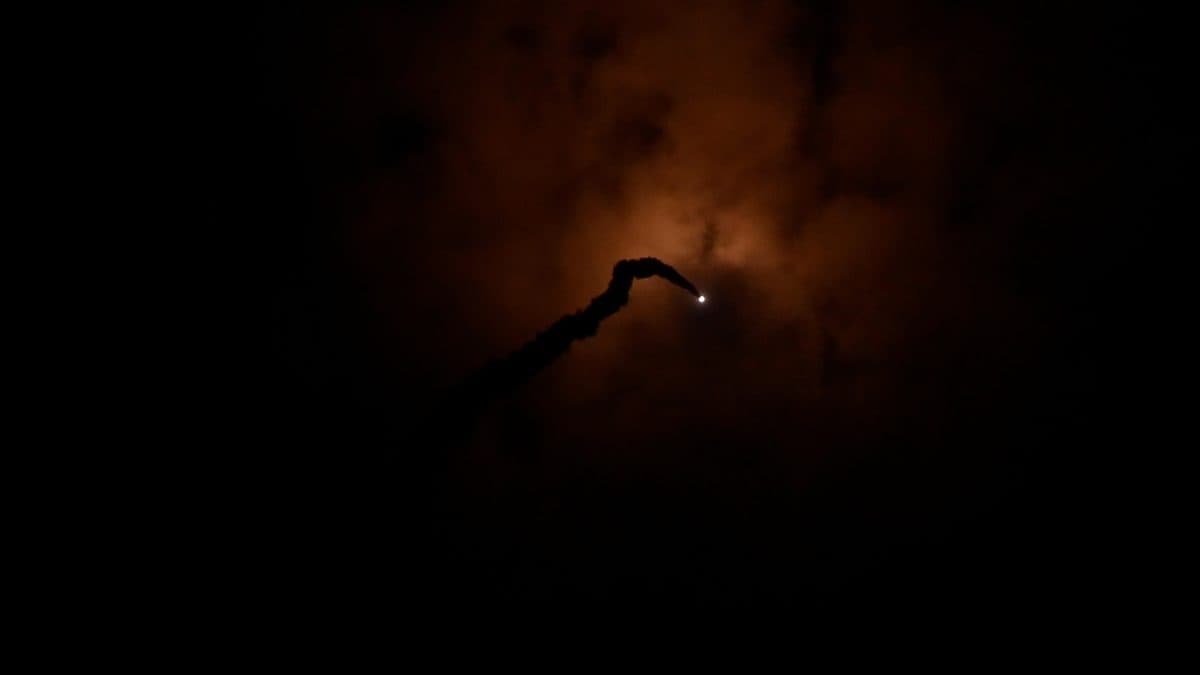
These weapons were built to fight a war that everyone prayed would never happen. The Minuteman III has been on alert since 1970. The Typhoon-class carried enough nuclear warheads to destroy a continent. The Davy Crockett could be fired by three soldiers. Most of them have been waiting for 40 years. Here are 10 Cold War weapons built exclusively for World War III.
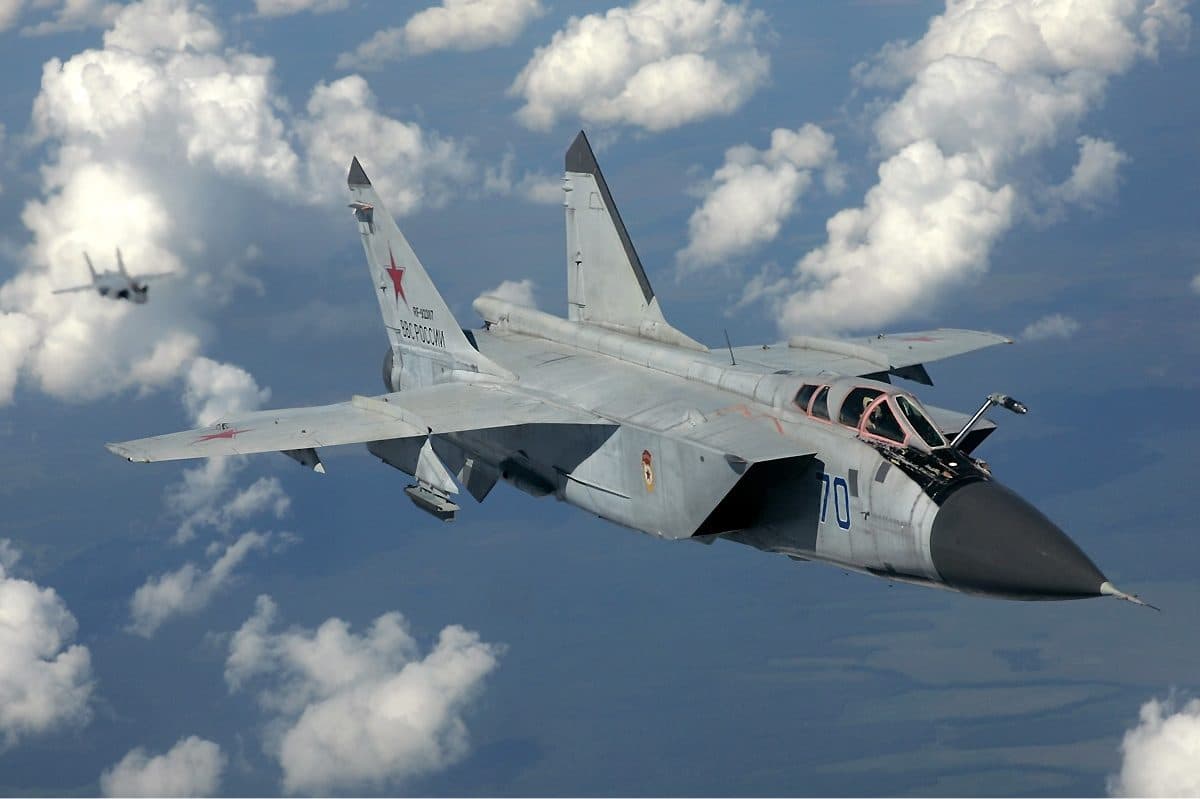
The MiG-31 was designed to catch the SR-71 Blackbird. It is still the fastest fighter in any air force. The Foxhound's Zaslon phased-array radar, the first ever installed in a fighter, can track 10 targets and engage 4 simultaneously at ranges exceeding 200 miles. Here is why Russia still flies a 1980s interceptor, and why the MiG-31BM carrying a Kinzhal hypersonic missile has changed what the aircraft means to modern warfare.