

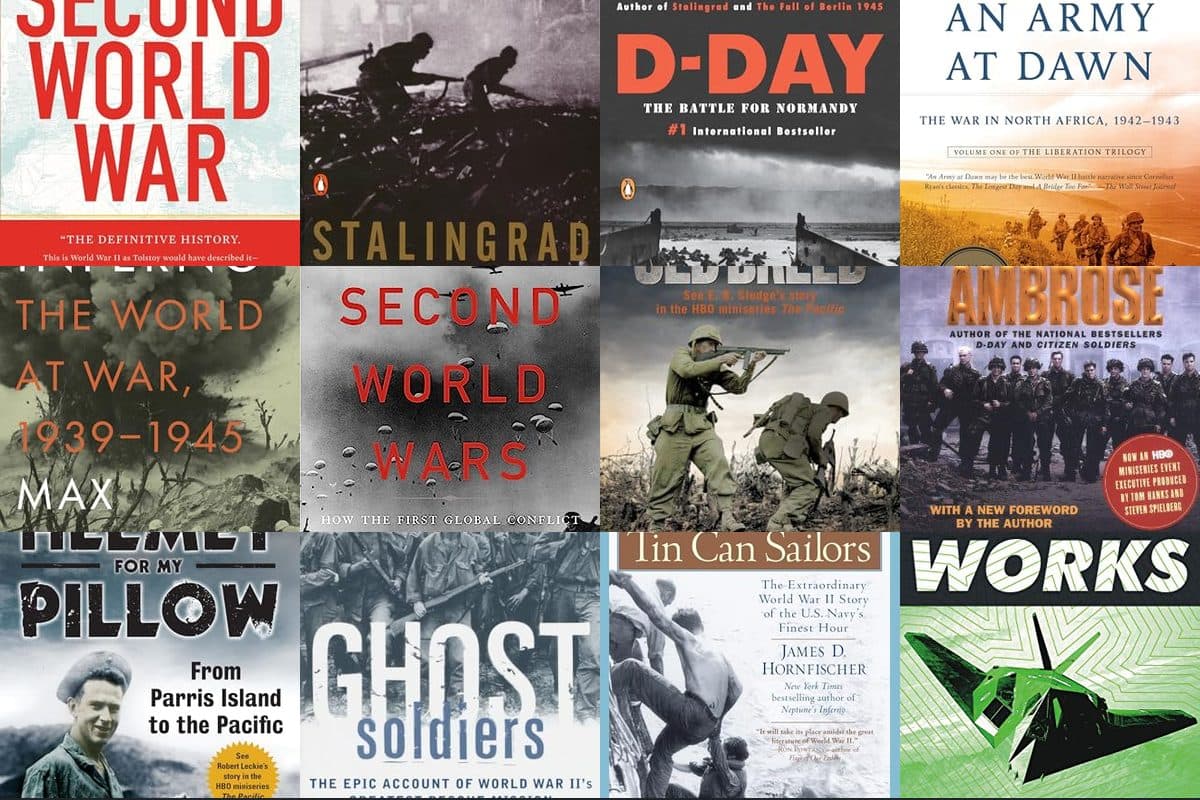
15 Best World War II Books for History Enthusiasts (2026)
15 essential WW2 books covering every theater. Narrative histories, memoirs, and visual references ranked.
daniel-mercer··21 min read

King Harold Godwinson of England crushed an invading Norwegian Viking army under King Harald Hardrada and the English traitor Tostig Godwinson at Stamford Bridge in Yorkshire. The decisive victory ended the Viking Age and the three-century Norse threat to England. But Harold had no time to celebrate, three days later, William of Normandy landed at Pevensey, and Harold was forced to march his exhausted army 250 miles south to meet the Norman invasion at Hastings.
Harold Godwinson's English army annihilated a Norwegian Viking invasion force, ending the Viking Age. But the exhausted army had to march 250 miles south to face the Norman invasion at Hastings three weeks later.
King Harold Godwinson of England destroyed the invading Norwegian army of King Harald Hardrada at Stamford Bridge in Yorkshire, ending more than two centuries of Viking raids on England. The forced march back south left Harold's army exhausted when William of Normandy landed nineteen days later, altering the strategic outcome of 1066.
Colonel Ethan Allen, the leader of the Green Mountain Boys who had captured Fort Ticonderoga in May, was captured by British forces in a rash attempt to seize Montreal with only 100 men. Allen spent over two years as a prisoner of war, much of it in irons aboard British prison ships. His captivity became a cause célèbre that fueled patriotic sentiment.
Continental Army Colonel Ethan Allen was captured by British forces outside Montreal while attempting to seize the city as part of the Quebec campaign. The failure of the independent assault highlighted the risks of uncoordinated operations and the importance of unified command, a lesson that shaped the later reorganization of the Continental Army.
The British launched the Battle of Loos, the largest British offensive on the Western Front to date, employing poison gas for the first time. The gas drifted back over British trenches in places, causing friendly casualties. Despite initial gains, German reserves counterattacked and the offensive ended in costly failure with over 50,000 British casualties.
Hitler decreed the creation of the Volkssturm, a national militia conscripting all German males between 16 and 60 not already serving. These poorly trained and equipped units were sent to defend the collapsing German frontlines. Many Volkssturm members, especially the youngest, would die in the final months of the war in futile defense of a lost cause.
U.S. Marines and Army troops recaptured Seoul, the South Korean capital, following the Inchon landing ten days earlier. The fighting to clear the city was intense, with Marines battling house-to-house through barricaded streets. MacArthur formally restored the government of President Syngman Rhee four days later.
The aircraft carrier USS Forrestal was launched at Newport News Shipbuilding, the first supercarrier and the lead ship of the class that restored U.S. naval aviation's ability to operate jet aircraft at full capability after the cancellation of USS United States in 1949. Forrestal's angled deck, steam catapults, and hurricane bow set the pattern for every subsequent U.S. carrier.
TAT-1, the first transatlantic telephone cable, became operational between Scotland and Newfoundland. The cable had immediate military implications, providing a secure communication link between NATO headquarters in Europe and the Pentagon. Prior to the cable, transatlantic military communications relied on less reliable and less secure radio transmissions.
Thirty-eight Irish Republican Army prisoners escaped from the Maze Prison in Northern Ireland in the largest prison break in British and Irish history. The escape triggered a reassessment of prison and barracks security across the British military infrastructure in Ulster and prompted revisions to Northern Ireland counterterrorism doctrine.

Russian composer whose Seventh Symphony ("Leningrad") was written during the German siege of Leningrad and became the most powerful musical symbol of Soviet resistance during World War II. A performance of the symphony within the besieged city in August 1942 was broadcast by loudspeaker toward German lines.

Cadet
Nobel Prize-winning American author who trained as an RAF cadet in Canada during World War I but never saw combat. His novels, set in the fictional Yoknapatawpha County, explored the lasting psychological wounds of the Civil War on the American South.

King
King of Norway and the last great Viking warrior-king, killed at the Battle of Stamford Bridge by an arrow to the throat. Before claiming the Norwegian throne, he had served as a commander of the Byzantine Varangian Guard, fighting across the Mediterranean. His death ended the Viking Age.
Wear the Timeline
10 military events occurred on September 25, spanning multiple centuries. Key events include: Battle of Stamford Bridge (1066), Liberation of Seoul (1950), Battle of Stamford Bridge, Last Great Viking Invasion Defeated (1066), USS Forrestal (CV-59) Launched, First Supercarrier (1954).
The most significant military event on September 25 is Battle of Stamford Bridge (1066). King Harold Godwinson of England crushed an invading Norwegian Viking army under King Harald Hardrada and the English traitor Tostig Godwinson at Stamford Bridge in Yorkshire. The decisive victory ended the Viking Age and the three-century Norse threat to England. But Harold had no time to celebrate, three days later, William of Normandy landed at Pevensey, and Harold was forced to march his exhausted army 250 miles south to meet the Norman invasion at Hastings.
Notable military figures born on September 25 include Dmitri Shostakovich (1906–1975), William Faulkner (1897–1962).
Events on September 25 span the Colonial & Revolutionary era, World War I, World War II, the Korean War, the Cold War, covering 10 events across 3 centuries of military history.
Events on September 25 involve 4 branches of the U.S. and allied armed forces, reflecting the global scope of military operations throughout history.
Explore military history from the day you were born.
June 6
The Allied invasion of Normandy, the largest amphibious assault in history.
December 7
Japan attacks the U.S. Pacific Fleet, bringing America into World War II.
September 11
The deadliest terrorist attack in history transforms U.S. national security.
August 6
The first atomic bomb is dropped on a city, ushering in the nuclear age.
May 8
Nazi Germany surrenders unconditionally, ending World War II in Europe.
November 11
Armistice Day marks the end of World War I and honors all who served.
June 4
The turning point of the Pacific War as the U.S. Navy destroys four Japanese carriers.
July 4
The Declaration of Independence is adopted, sparking the American Revolution.
15 essential WW2 books covering every theater. Narrative histories, memoirs, and visual references ranked.
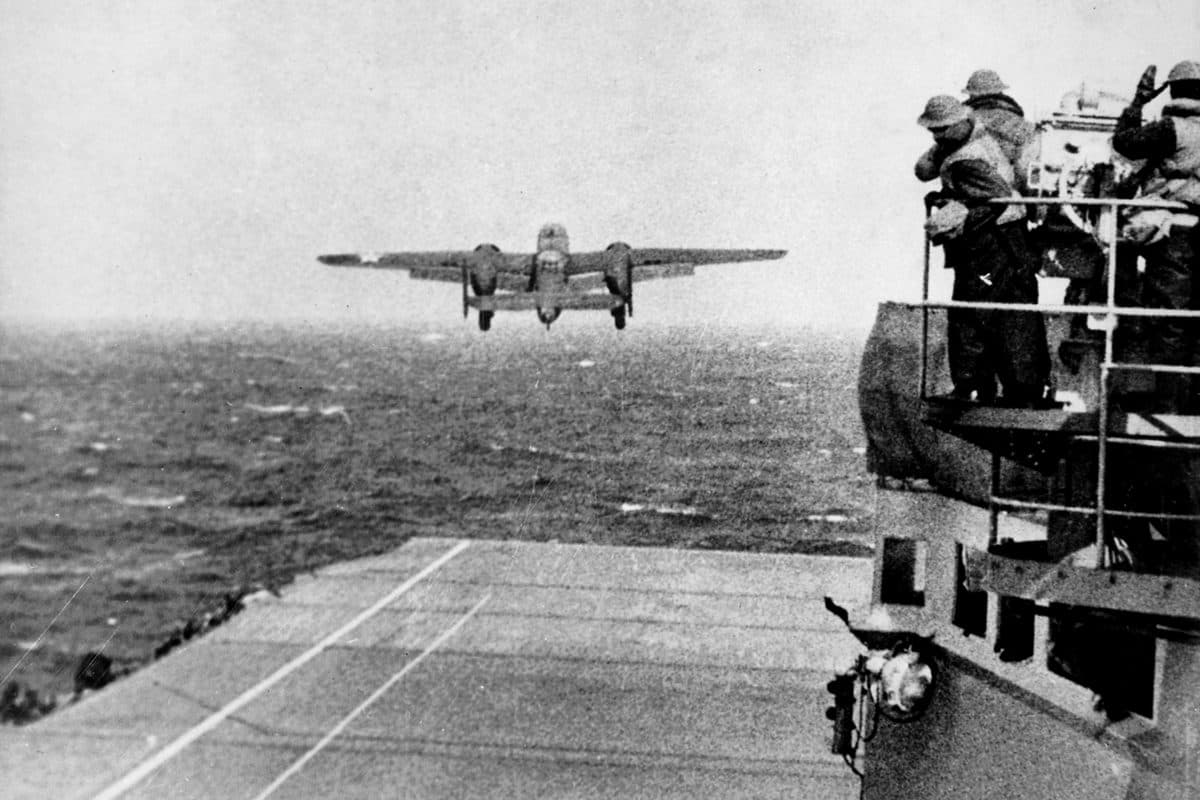
On April 18, 1942, sixteen B-25 Mitchell bombers did something no one thought possible: they launched from the deck of an aircraft carrier, flew 650 miles to Japan, and bombed Tokyo. Every aircraft was lost. The damage was negligible. The consequences changed the war.
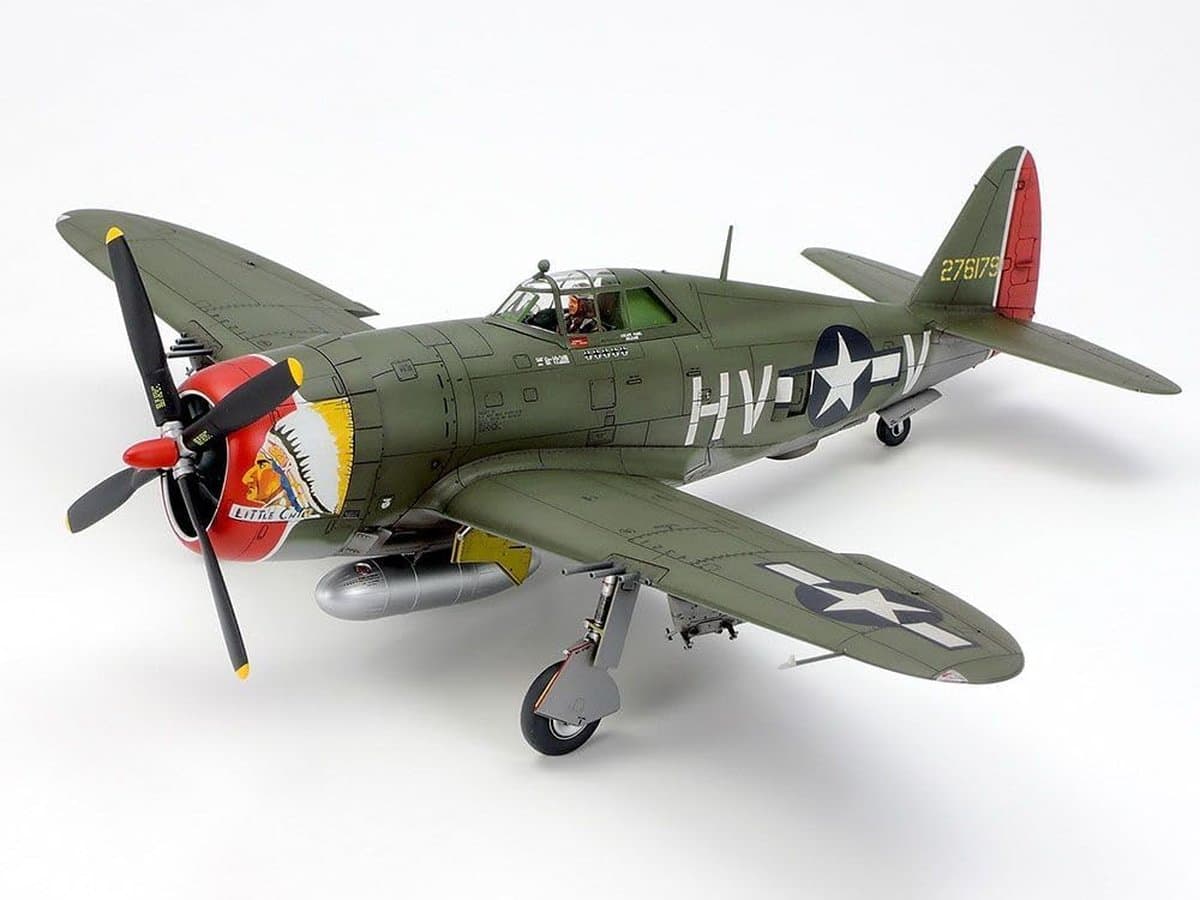
Compare 85+ WW2 scale model kits across aircraft, tanks, and ships. Beginner builds from $9 to museum-grade showpieces at $580. Covers Tamiya, Eduard, HK Models, Trumpeter, and more with honest reviews, trade-offs, and pricing.

On April 7, 1945, the Imperial Japanese Navy sent the largest battleship ever built on a one-way suicide mission to Okinawa. She never arrived. 386 American aircraft found her first, and sank her in under two hours.