

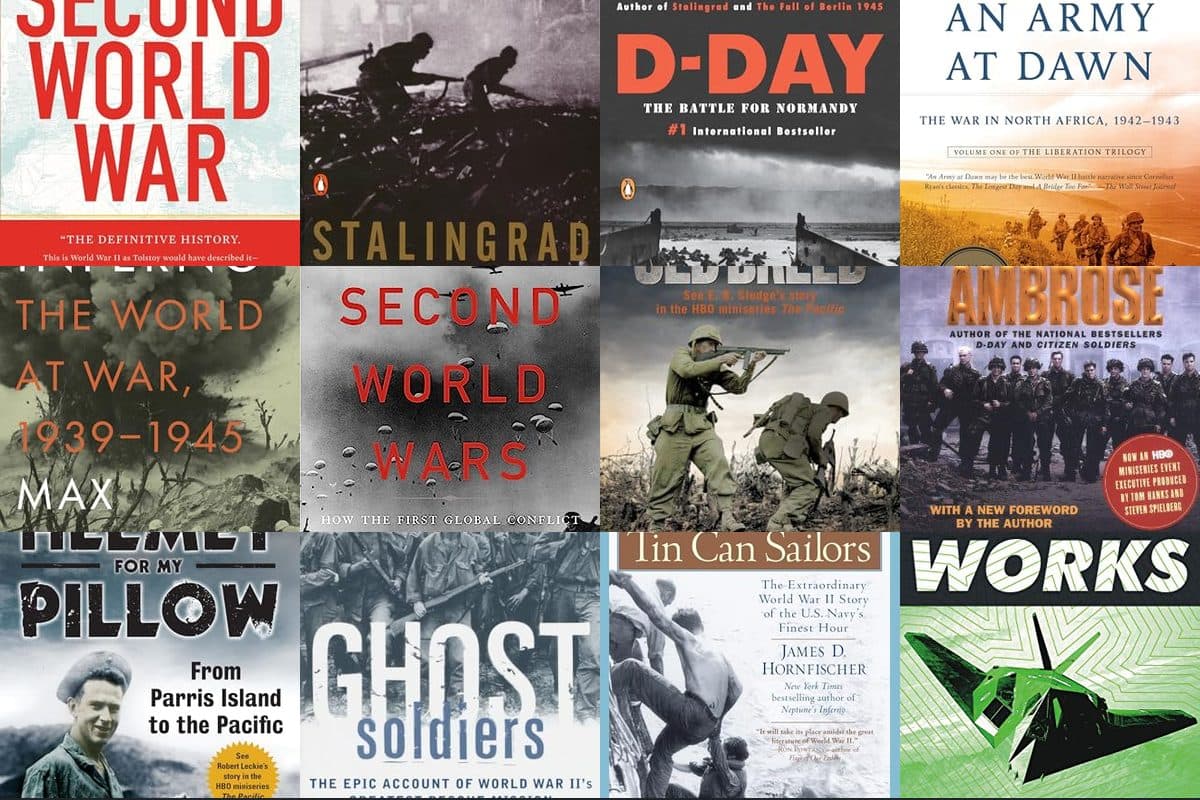
15 Best World War II Books for History Enthusiasts (2026)
15 essential WW2 books covering every theater. Narrative histories, memoirs, and visual references ranked.
daniel-mercer··21 min read
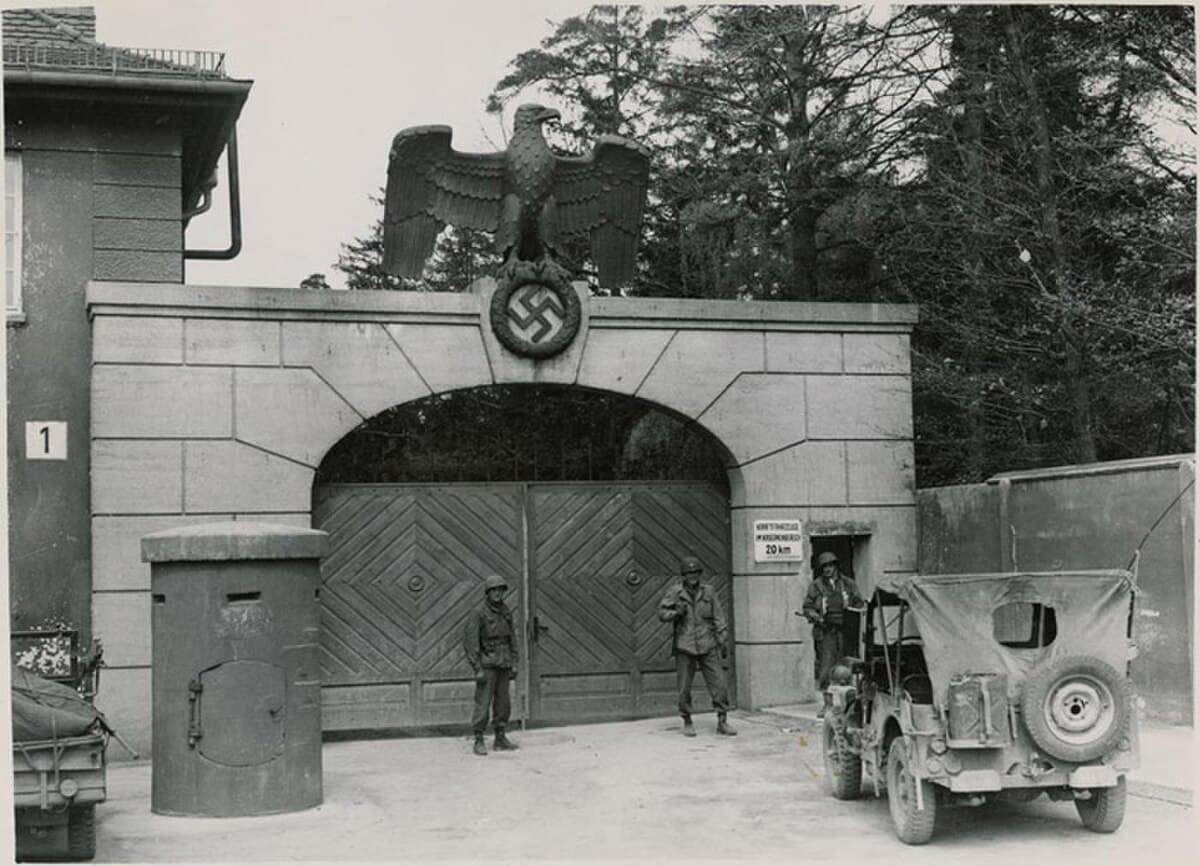
Soldiers of the US 42nd "Rainbow" and 45th "Thunderbird" Infantry Divisions liberated Dachau, the first and oldest Nazi concentration camp. They discovered 32,000 surviving prisoners in appalling conditions and a train of 39 railcars filled with over 2,000 dead bodies. The horror led some American soldiers to summarily execute SS guards.
Major General Benjamin Butler's Union forces completed the occupation of New Orleans, four days after Flag Officer David Farragut's fleet had forced the surrender of the Confederacy's largest city. Butler's draconian occupation policies would earn him the nickname "Beast".
Flag Officer David Farragut's squadron anchored off the New Orleans waterfront after running past Confederate Forts Jackson and St. Philip five days earlier. The Union fleet's presence completed the strategic envelopment that would give Federal forces control of the lower Mississippi.
After a 147-day siege, the British garrison at Kut-al-Amara in Mesopotamia surrendered to Ottoman forces. Major General Townshend and 13,000 British and Indian troops became prisoners, roughly 4,000 of whom died in captivity. It was one of the worst British defeats of WWI.
US forces liberated Dachau, discovering 32,000 survivors and thousands of dead. Dachau was the first concentration camp (established 1933) and its liberation provided incontrovertible evidence of the Holocaust.
In the Führerbunker beneath Berlin, Adolf Hitler married Eva Braun in a brief civil ceremony as Soviet shells pounded the city above. Less than 40 hours later, both committed suicide. Hitler also dictated his last will and political testament.
Defense Secretary Robert McNamara submitted a memorandum to President Johnson questioning further troop escalation in Vietnam and recommending a ceiling of 470,000 US personnel. The memo marked a turning point in Johnson administration war strategy.
The US military launched the largest helicopter evacuation in history, airlifting approximately 7,000 Americans and Vietnamese from Saigon as North Vietnamese forces closed in. The iconic images of helicopters on rooftops became defining symbols of the Vietnam War.
Los Angeles riots erupted after the acquittal of four LAPD officers in the Rodney King beating trial. California Governor Pete Wilson mobilized 6,000 National Guard troops; President Bush activated 2,000 federal troops under the Insurrection Act.
CBS News "60 Minutes II" broadcast the first photographs of detainee abuse at Abu Ghraib prison in Iraq, triggering a global scandal that reshaped US military detention policy. Seven US Army Reserve soldiers faced courts martial over the following year.
Prince William married Catherine Middleton at Westminster Abbey with a military procession involving 1,900 British Armed Forces personnel. The ceremony represented the largest royal military parade in London since the 1952 funeral of King George VI.
USS Theodore Roosevelt returned to sea after a six-week shore quarantine on Guam during which approximately 1,300 crew members tested positive for COVID-19 and one sailor died. The crisis reshaped US Navy pandemic response protocols.

Emperor of Japan
As Emperor of Japan, he presided over Japan's military expansion including Pearl Harbor and the Pacific War. His decision to accept Allied surrender terms in August 1945, overruling military hardliners, was arguably the most consequential individual decision of the war.

Publisher
Newspaper magnate whose sensationalist "yellow journalism" helped push the United States into the Spanish-American War of 1898. His papers' coverage of the USS Maine explosion ("Remember the Maine!") is one of the most significant examples of media influence on military policy.

Various
An estimated 35-50 SS concentration camp guards were killed by American soldiers during the liberation of Dachau. The reprisal killings, while investigated, were never prosecuted, the investigating officer became sympathetic to the soldiers after touring the camp.

Major General
British commander who surrendered to Ottoman forces at Kut in 1916 after a 147-day siege. While his troops suffered terribly in captivity, Townshend was treated as a guest of the Ottoman government, drawing criticism for the disparity.
Wear the Timeline
11 military events occurred on April 29, spanning multiple centuries. Key events include: Liberation of Dachau Concentration Camp (1945), Siege of Kut, British Garrison Surrenders (1916), Hitler Marries Eva Braun (1945), Operation Frequent Wind, Evacuation of Saigon Begins (1975).
The most significant military event on April 29 is Liberation of Dachau Concentration Camp (1945). Soldiers of the US 42nd "Rainbow" and 45th "Thunderbird" Infantry Divisions liberated Dachau, the first and oldest Nazi concentration camp. They discovered 32,000 surviving prisoners in appalling conditions and a train of 39 railcars filled with over 2,000 dead bodies. The horror led some American soldiers to summarily execute SS guards.
Notable military figures born on April 29 include Emperor Hirohito (1901–1989), William Randolph Hearst (1863–1951).
Events on April 29 span World War II, World War I, the Vietnam War, the Civil War, the Modern Era, covering 11 events across 3 centuries of military history.
Events on April 29 involve 4 branches of the U.S. and allied armed forces, reflecting the global scope of military operations throughout history.
Explore military history from the day you were born.
June 6
The Allied invasion of Normandy, the largest amphibious assault in history.
December 7
Japan attacks the U.S. Pacific Fleet, bringing America into World War II.
September 11
The deadliest terrorist attack in history transforms U.S. national security.
August 6
The first atomic bomb is dropped on a city, ushering in the nuclear age.
May 8
Nazi Germany surrenders unconditionally, ending World War II in Europe.
November 11
Armistice Day marks the end of World War I and honors all who served.
June 4
The turning point of the Pacific War as the U.S. Navy destroys four Japanese carriers.
July 4
The Declaration of Independence is adopted, sparking the American Revolution.
15 essential WW2 books covering every theater. Narrative histories, memoirs, and visual references ranked.
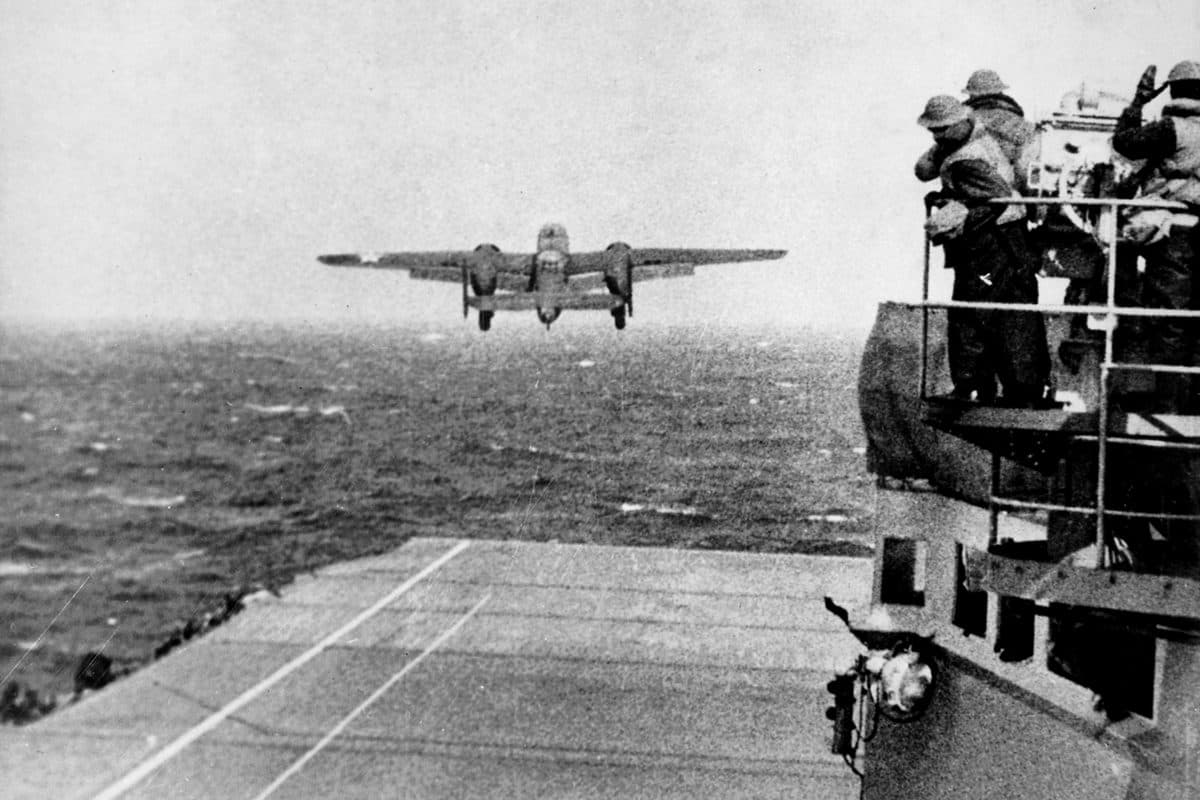
On April 18, 1942, sixteen B-25 Mitchell bombers did something no one thought possible: they launched from the deck of an aircraft carrier, flew 650 miles to Japan, and bombed Tokyo. Every aircraft was lost. The damage was negligible. The consequences changed the war.
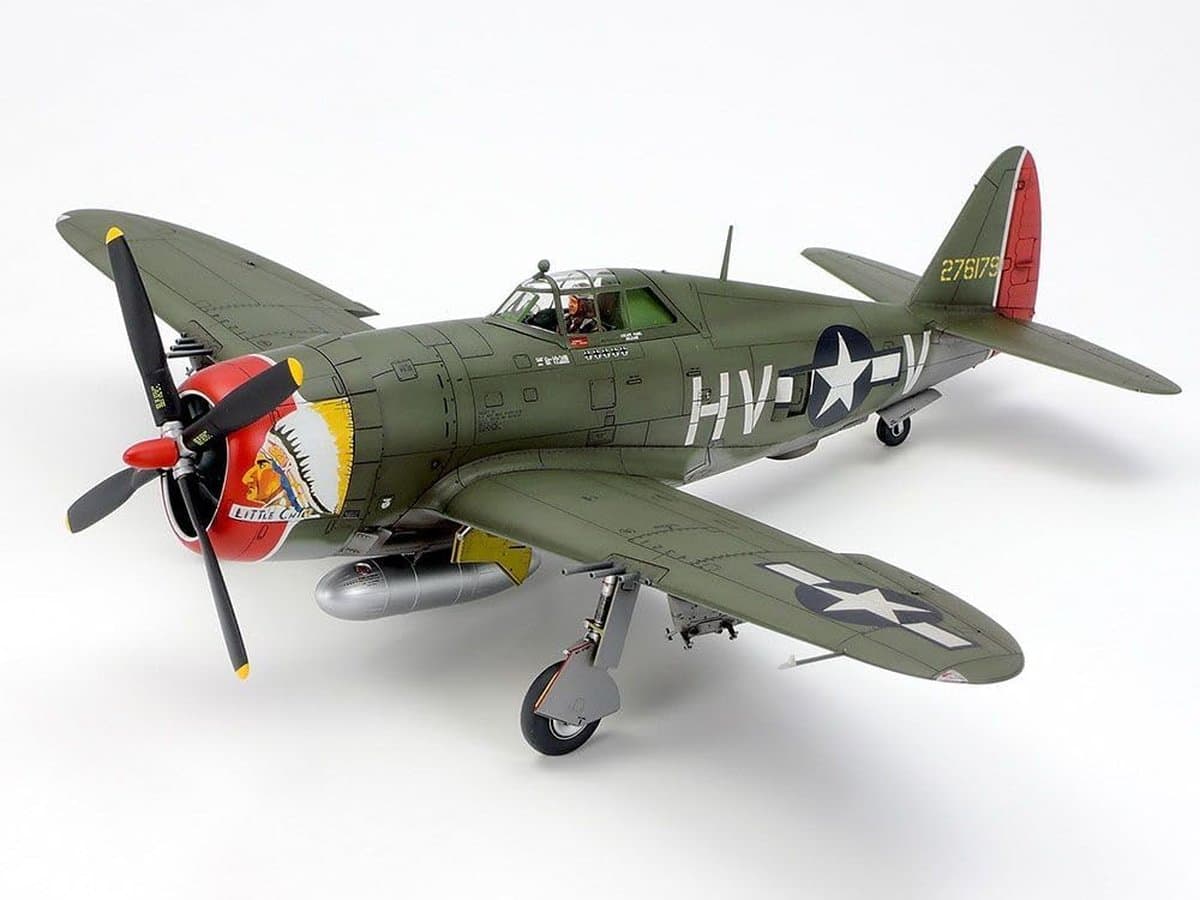
Compare 85+ WW2 scale model kits across aircraft, tanks, and ships. Beginner builds from $9 to museum-grade showpieces at $580. Covers Tamiya, Eduard, HK Models, Trumpeter, and more with honest reviews, trade-offs, and pricing.

On April 7, 1945, the Imperial Japanese Navy sent the largest battleship ever built on a one-way suicide mission to Okinawa. She never arrived. 386 American aircraft found her first, and sank her in under two hours.