

15 Best World War II Books for History Enthusiasts (2026)
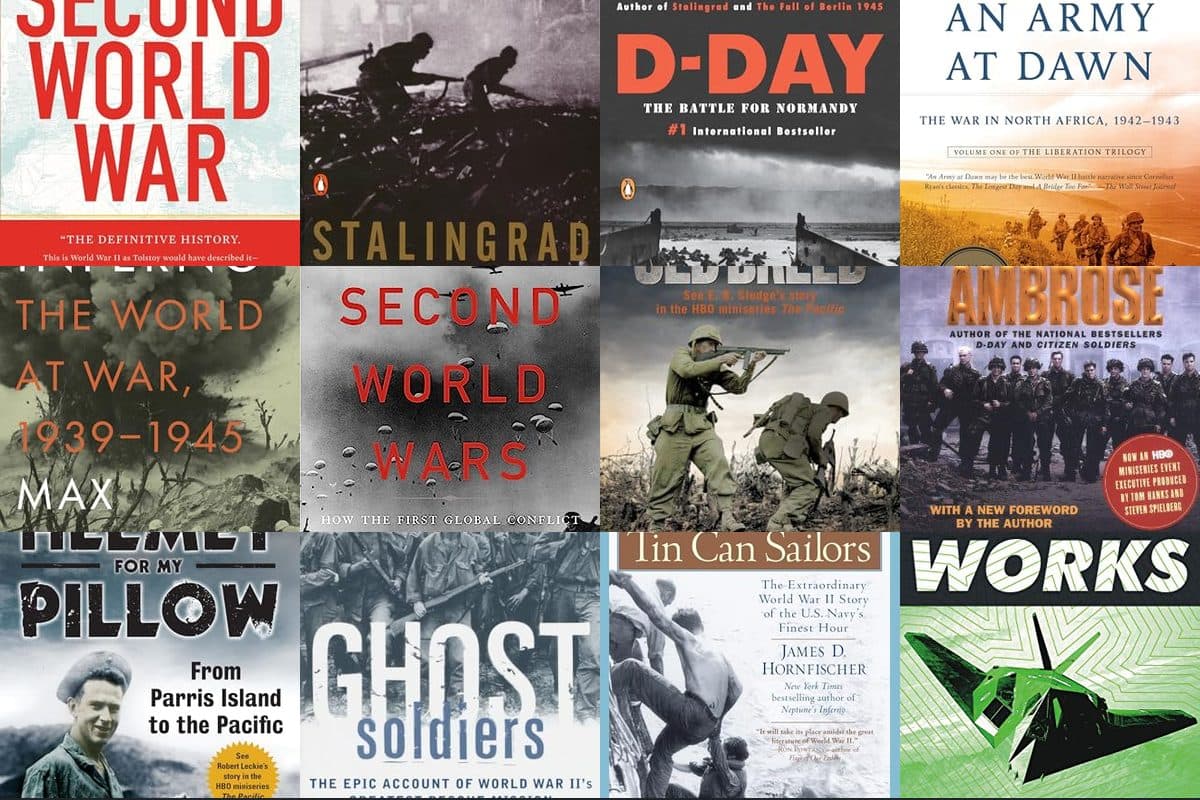
15 essential WW2 books covering every theater. Narrative histories, memoirs, and visual references ranked.
daniel-mercer··21 min read
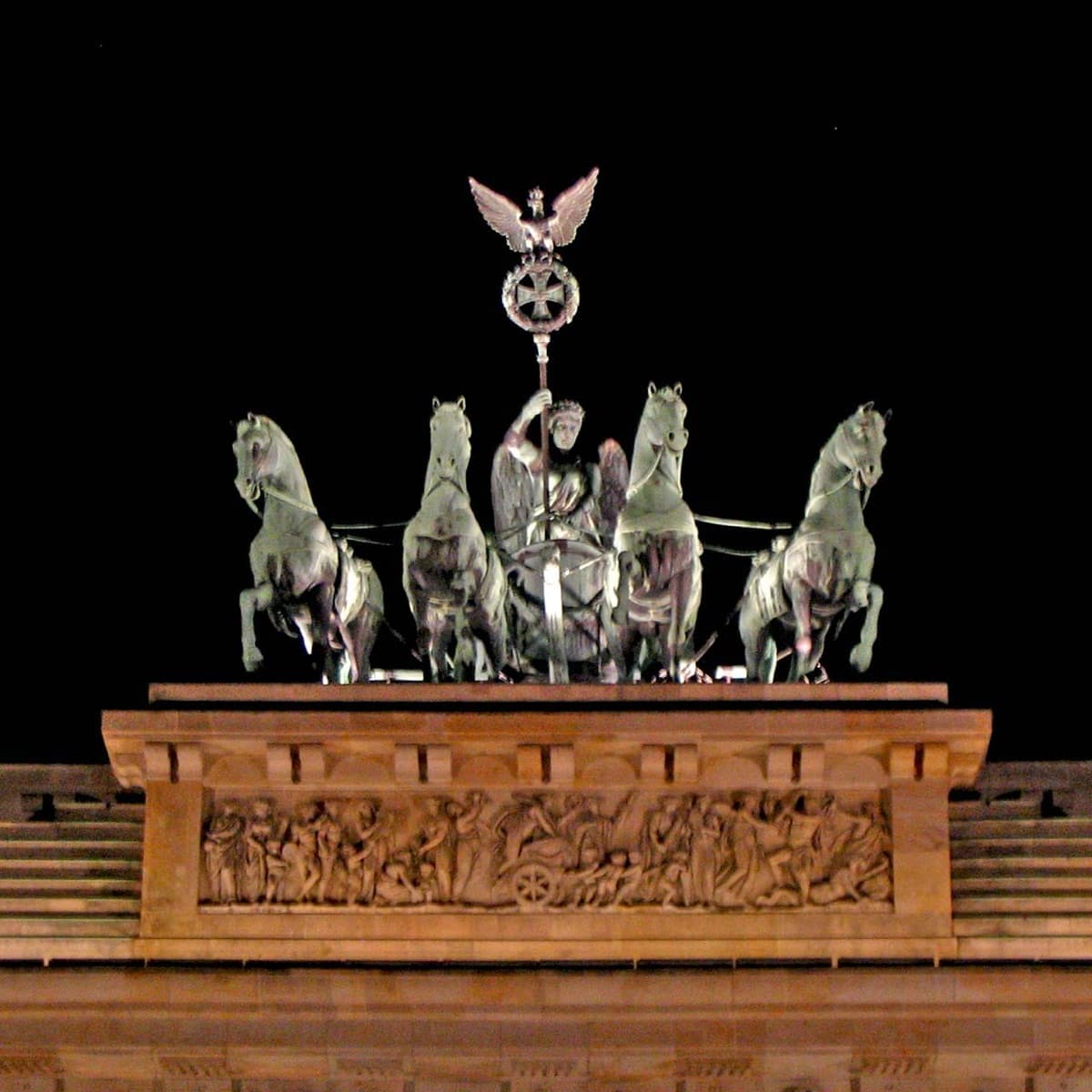
Due to the time zone difference, Germany's unconditional surrender signed in Berlin on the night of May 8 took effect on May 9 Moscow time, making this date Russia's Victory Day. The holiday commemorates the Soviet Union's sacrifice of approximately 27 million citizens, the greatest loss of any nation in the war.
Columbus departed Cadiz on his fourth voyage with four armed ships. The expedition mapped the Central American coast and resulted in violent encounters with indigenous peoples, laying groundwork for Spain's subsequent military conquests in the Western Hemisphere.
Colonel Thomas Blood, an Irish officer and former parliamentary soldier, attempted to steal the Crown Jewels from the Tower of London. His capture led to his improbable pardon by Charles II and an informant career that drew on his military intelligence experience.
Colonel Emory Upton attacked the Confederate salient at Spotsylvania with a concentrated column of 12 regiments, temporarily breaking through the defenses. Though forced to withdraw, Upton's tactical innovation impressed Grant, who ordered a larger version for May 12, the "Bloody Angle," among the most savage hand-to-hand fighting in American history.
U.S. Navy Commander Richard E. Byrd and pilot Floyd Bennett took off from Spitsbergen in a Fokker F.VIIa/3m trimotor named Josephine Ford and reported reaching the North Pole and returning, a feat that drove U.S. naval and Army air-cold-weather research for decades.
Fascist Italy annexed Ethiopia after a campaign using poison gas against civilians. Mussolini proclaimed Victor Emmanuel III "Emperor of Ethiopia." The conquest proved the League of Nations' impotence and emboldened the Axis powers. Emperor Haile Selassie's warning, "It is us today. It will be you tomorrow", proved prophetic.
Germany's surrender took effect on May 9 Moscow time, making this date Russia's Victory Day, commemorating the loss of 27 million Soviet citizens.
British forces completed the disarmament of the approximately 27,000 German troops on the Channel Islands, the only part of the British Isles that had been occupied during the Second World War, wrapping up garrison operations that had been isolated since D-Day.
French Foreign Minister Robert Schuman proposed pooling French and German coal and steel production, laying the foundation for what became the European Union. Explicitly designed to make war between France and Germany "materially impossible," it was the most revolutionary approach to European security since 1648.
The New York Times reported that the U.S. had been secretly bombing Cambodia since March 1969 under Operation Menu. The revelation intensified anti-war opposition and raised constitutional questions about presidential war powers that continue to resonate in debates over military authorization.
Nelson Mandela was inaugurated as South Africa's first democratically elected president, formally ending the apartheid security state and reshaping the South African Defence Force into an integrated national military under civilian control.

Radical abolitionist whose 1859 raid on Harpers Ferry attempted to spark a slave revolt. His execution galvanized both North and South and helped precipitate the Civil War. Union soldiers marched to "John Brown's Body," which became "The Battle Hymn of the Republic."

British archaeologist who discovered Tutankhamun's tomb in 1922, one of the greatest archaeological finds in history. His work during WWI included intelligence-related activities for the British government in Egypt, a strategically vital region during the war.

Governor of Plymouth Colony for over 30 years who organized its military defense and negotiated alliances with Native American nations. His leadership established the citizen militia tradition that characterized American military organization for two centuries.
Wear the Timeline
10 military events occurred on May 9, spanning multiple centuries. Key events include: Soviet Victory Day: The Great Patriotic War Ends (1945).
The most significant military event on May 9 is Soviet Victory Day: The Great Patriotic War Ends (1945). Due to the time zone difference, Germany's unconditional surrender signed in Berlin on the night of May 8 took effect on May 9 Moscow time, making this date Russia's Victory Day. The holiday commemorates the Soviet Union's sacrifice of approximately 27 million citizens, the greatest loss of any nation in the war.
Notable military figures born on May 9 include John Brown (1800–1859), Howard Carter (1874–1939).
Events on May 9 span World War II, the Civil War, the Cold War, the Vietnam War, the Colonial & Revolutionary era, the Interwar Period, the Modern Era, covering 10 events across 4 centuries of military history.
Events on May 9 involve 3 branches of the U.S. and allied armed forces, reflecting the global scope of military operations throughout history.
Explore military history from the day you were born.
June 6
The Allied invasion of Normandy, the largest amphibious assault in history.
December 7
Japan attacks the U.S. Pacific Fleet, bringing America into World War II.
September 11
The deadliest terrorist attack in history transforms U.S. national security.
August 6
The first atomic bomb is dropped on a city, ushering in the nuclear age.
May 8
Nazi Germany surrenders unconditionally, ending World War II in Europe.
November 11
Armistice Day marks the end of World War I and honors all who served.
June 4
The turning point of the Pacific War as the U.S. Navy destroys four Japanese carriers.
July 4
The Declaration of Independence is adopted, sparking the American Revolution.
15 essential WW2 books covering every theater. Narrative histories, memoirs, and visual references ranked.
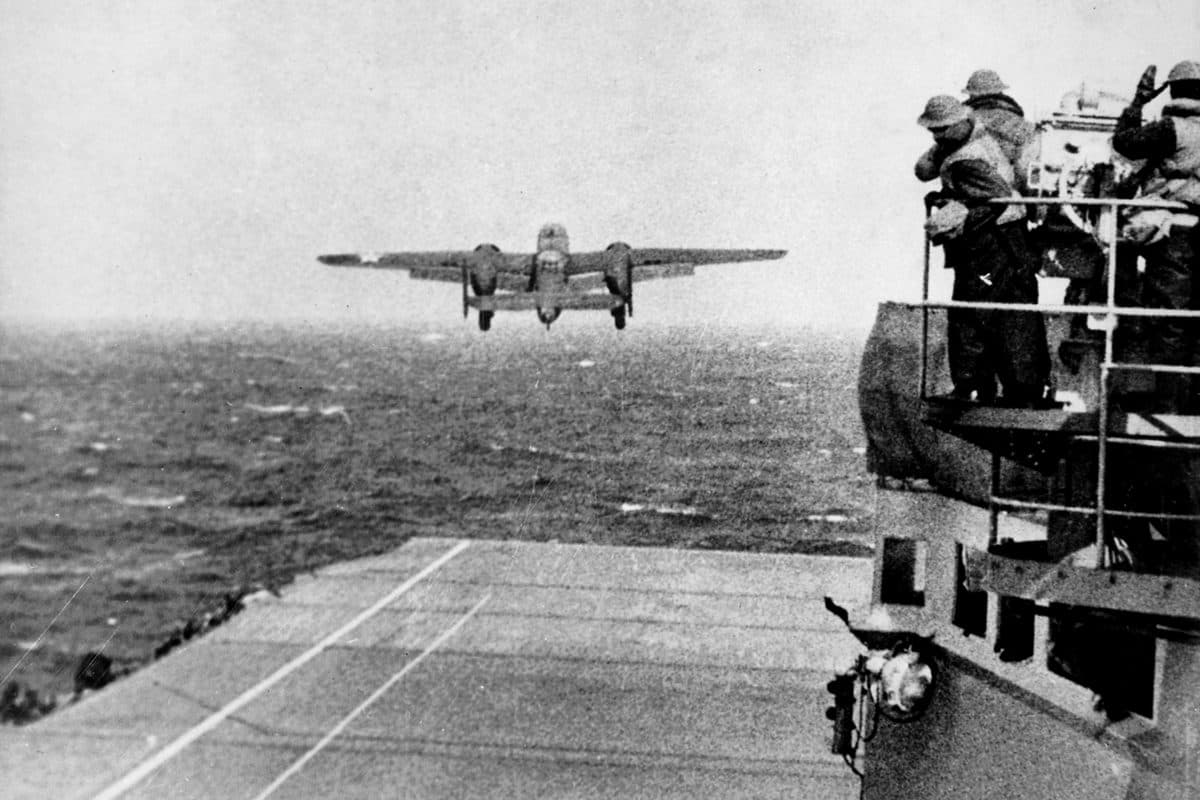
On April 18, 1942, sixteen B-25 Mitchell bombers did something no one thought possible: they launched from the deck of an aircraft carrier, flew 650 miles to Japan, and bombed Tokyo. Every aircraft was lost. The damage was negligible. The consequences changed the war.
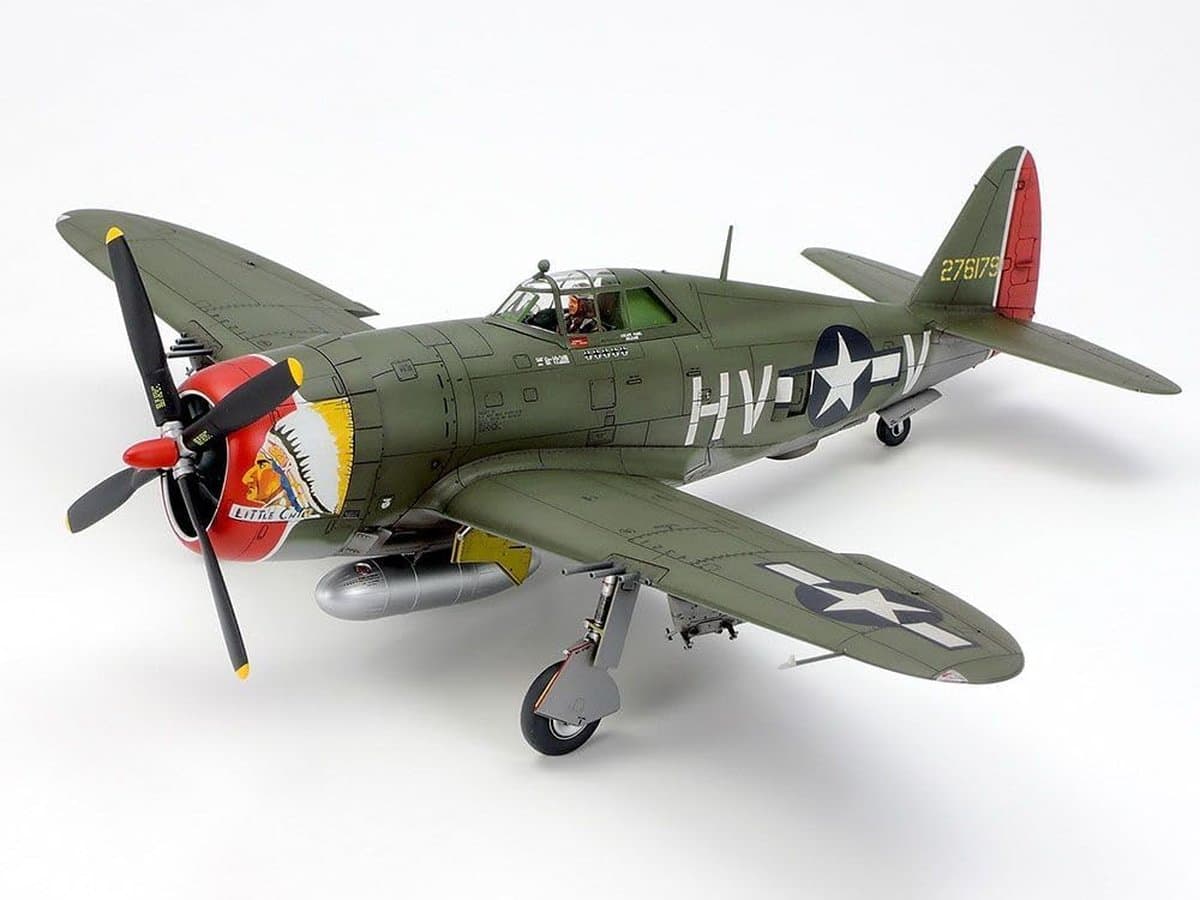
Compare 85+ WW2 scale model kits across aircraft, tanks, and ships. Beginner builds from $9 to museum-grade showpieces at $580. Covers Tamiya, Eduard, HK Models, Trumpeter, and more with honest reviews, trade-offs, and pricing.

On April 7, 1945, the Imperial Japanese Navy sent the largest battleship ever built on a one-way suicide mission to Okinawa. She never arrived. 386 American aircraft found her first, and sank her in under two hours.