



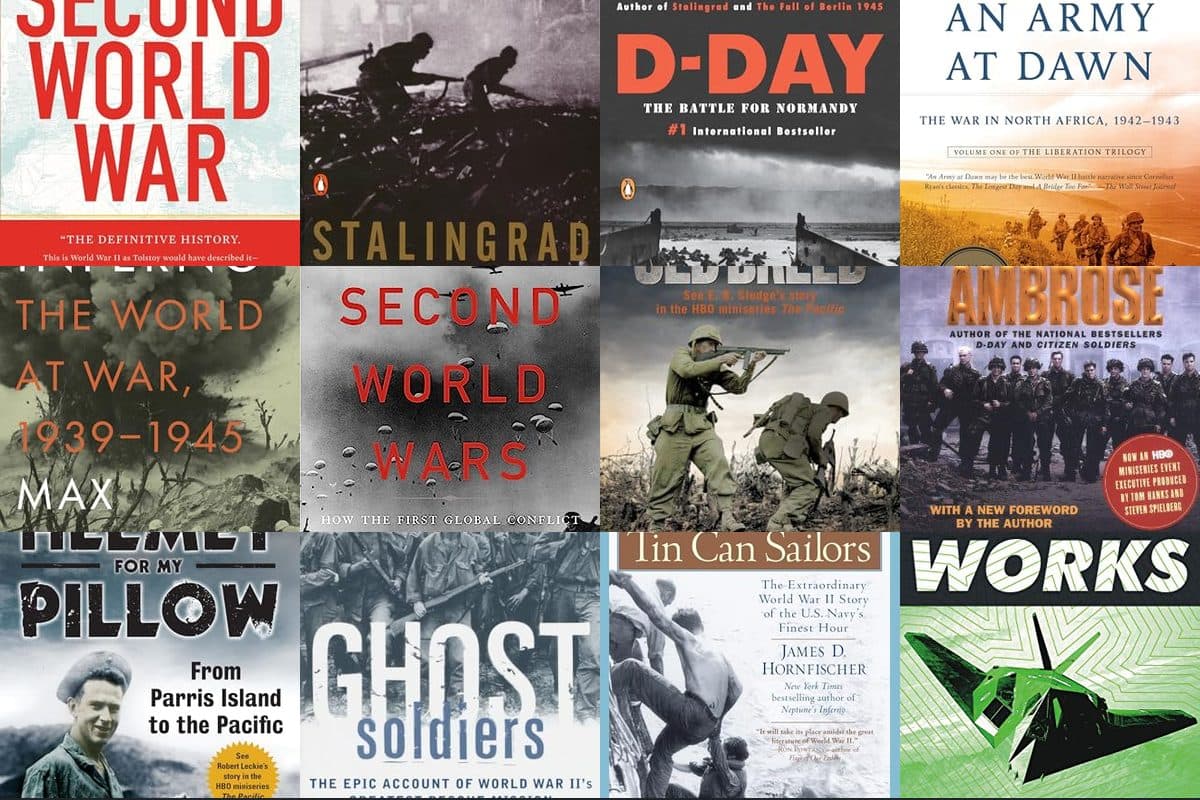
15 Best World War II Books for History Enthusiasts (2026)
15 essential WW2 books covering every theater. Narrative histories, memoirs, and visual references ranked.
daniel-mercer··21 min read

British, Australian, and American forces breached the Hindenburg Line at the Battle of the St. Quentin Canal, the strongest section of Germany's supposedly impregnable defensive system. The 46th (North Midland) Division famously crossed the St. Quentin Canal using life belts and ladders, capturing 4,200 prisoners. The breakthrough shattered German morale and convinced Ludendorff that the war was lost.
Henry Bolingbroke accepted the abdication of King Richard II in London and was crowned Henry IV, triggering decades of dynastic warfare that culminated in the Wars of the Roses. The reign reshaped English military organization, feudal levies, and the role of professional retinues in late medieval land warfare.
The United States Congress created the first regular Army under the Constitution, authorizing a force of 1,000 men organized as one regiment of infantry and one battalion of artillery. The act replaced the remnants of the Continental Army and established the legal foundation for the U.S. Army as a permanent institution.
Black Union soldiers of the USCT (United States Colored Troops) led the assault on Confederate fortifications at New Market Heights outside Richmond, Virginia. Despite suffering devastating casualties charging into entrenched positions, the Black troops captured the fortifications. Fourteen African American soldiers received the Medal of Honor for their valor in the attack.
Italy declared war on the Ottoman Empire over Libya, opening a conflict that included the first use of aerial bombing in combat. Italian Lieutenant Giulio Gavotti dropped four grenades from an Etrich Taube monoplane over Turkish positions on November 1, 1911, inaugurating a new dimension of warfare.
British, Australian, and American forces breached the Hindenburg Line at the St. Quentin Canal. The breakthrough shattered German morale and convinced Ludendorff that the war was lost.
Bulgaria signed the Armistice of Salonika with the Allies, the first Central Powers state to exit the First World War. The collapse of the Bulgarian front opened the Danube to Allied river operations, threatened Austria-Hungary and the Ottoman Empire with invasion from the south, and accelerated the political and military disintegration of the Central Powers coalition.
The mass shooting at Babi Yar ravine near Kyiv concluded, with 33,771 Jewish victims murdered in two days. The massacre was the largest single mass shooting of the Holocaust and demonstrated the systematic, industrial scale of Nazi genocide. The site would be used for additional mass killings throughout the German occupation.
General MacArthur formally restored the South Korean capital of Seoul to President Syngman Rhee in a ceremony at the National Capitol building, barely two weeks after the Inchon landing. The ceremony was interrupted by the sound of nearby gunfire, pockets of North Korean resistance still held out in parts of the city.
Space Shuttle Discovery launched on mission STS-26, the first U.S. shuttle flight since the January 1986 Challenger disaster. The return to flight validated 32 months of extensive redesign of the solid rocket boosters and resumed the Department of Defense classified payload program that had depended on the shuttle for national security launches.
NASA confirmed the launch readiness of the Mars Atmosphere and Volatile Evolution Mission orbiter, a scientific spacecraft with substantial military spin-off in atmospheric modeling relevant to ballistic missile defense and high-altitude radar propagation calculations. MAVEN launched on November 18, 2013.

Vice Admiral
Britain's greatest naval hero who won decisive victories at the Nile, Copenhagen, and Trafalgar. His aggressive tactics and inspirational leadership transformed naval warfare. He was killed at the Battle of Trafalgar, where his fleet destroyed the combined French and Spanish fleet, securing British naval supremacy for a century.

Italian-American physicist who built the world's first nuclear reactor and was a key figure in the Manhattan Project. His work on nuclear chain reactions made the atomic bomb possible and ushered in the nuclear age that fundamentally transformed military strategy.

French novelist who wrote "La Débâcle" (1892), one of the greatest novels about military defeat, depicting the French catastrophe at Sedan in 1870. He is best remembered for "J'accuse," his open letter defending Captain Alfred Dreyfus, which exposed antisemitism in the French military and triggered a national crisis.
Wear the Timeline
10 military events occurred on September 29, spanning multiple centuries. Key events include: Allies Breach the Hindenburg Line (1918), U.S. Army Officially Established (1789), Battle of Chaffin's Farm / New Market Heights (1864), Babi Yar Massacre Concludes (1941), Bulgaria Signs Armistice, Balkan Front Collapses (1918).
The most significant military event on September 29 is Allies Breach the Hindenburg Line (1918). British, Australian, and American forces breached the Hindenburg Line at the Battle of the St. Quentin Canal, the strongest section of Germany's supposedly impregnable defensive system. The 46th (North Midland) Division famously crossed the St. Quentin Canal using life belts and ladders, capturing 4,200 prisoners. The breakthrough shattered German morale and convinced Ludendorff that the war was lost.
Notable military figures born on September 29 include Horatio Nelson (1758–1805), Enrico Fermi (1901–1954).
Events on September 29 span World War I, the Colonial & Revolutionary era, the Civil War, World War II, the Korean War, the Cold War, the Modern Era, covering 10 events across 5 centuries of military history.
Events on September 29 involve 4 branches of the U.S. and allied armed forces, reflecting the global scope of military operations throughout history.
Explore military history from the day you were born.
June 6
The Allied invasion of Normandy, the largest amphibious assault in history.
December 7
Japan attacks the U.S. Pacific Fleet, bringing America into World War II.
September 11
The deadliest terrorist attack in history transforms U.S. national security.
August 6
The first atomic bomb is dropped on a city, ushering in the nuclear age.
May 8
Nazi Germany surrenders unconditionally, ending World War II in Europe.
November 11
Armistice Day marks the end of World War I and honors all who served.
June 4
The turning point of the Pacific War as the U.S. Navy destroys four Japanese carriers.
July 4
The Declaration of Independence is adopted, sparking the American Revolution.
15 essential WW2 books covering every theater. Narrative histories, memoirs, and visual references ranked.
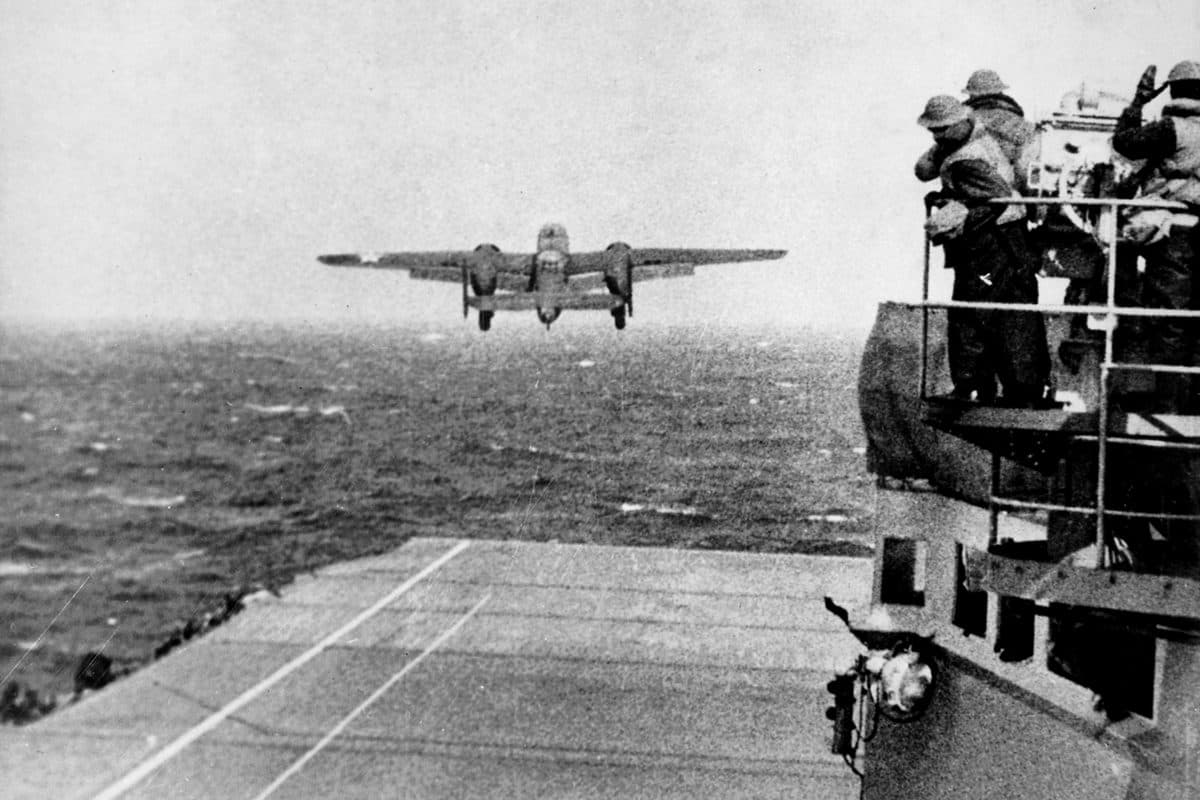
On April 18, 1942, sixteen B-25 Mitchell bombers did something no one thought possible: they launched from the deck of an aircraft carrier, flew 650 miles to Japan, and bombed Tokyo. Every aircraft was lost. The damage was negligible. The consequences changed the war.
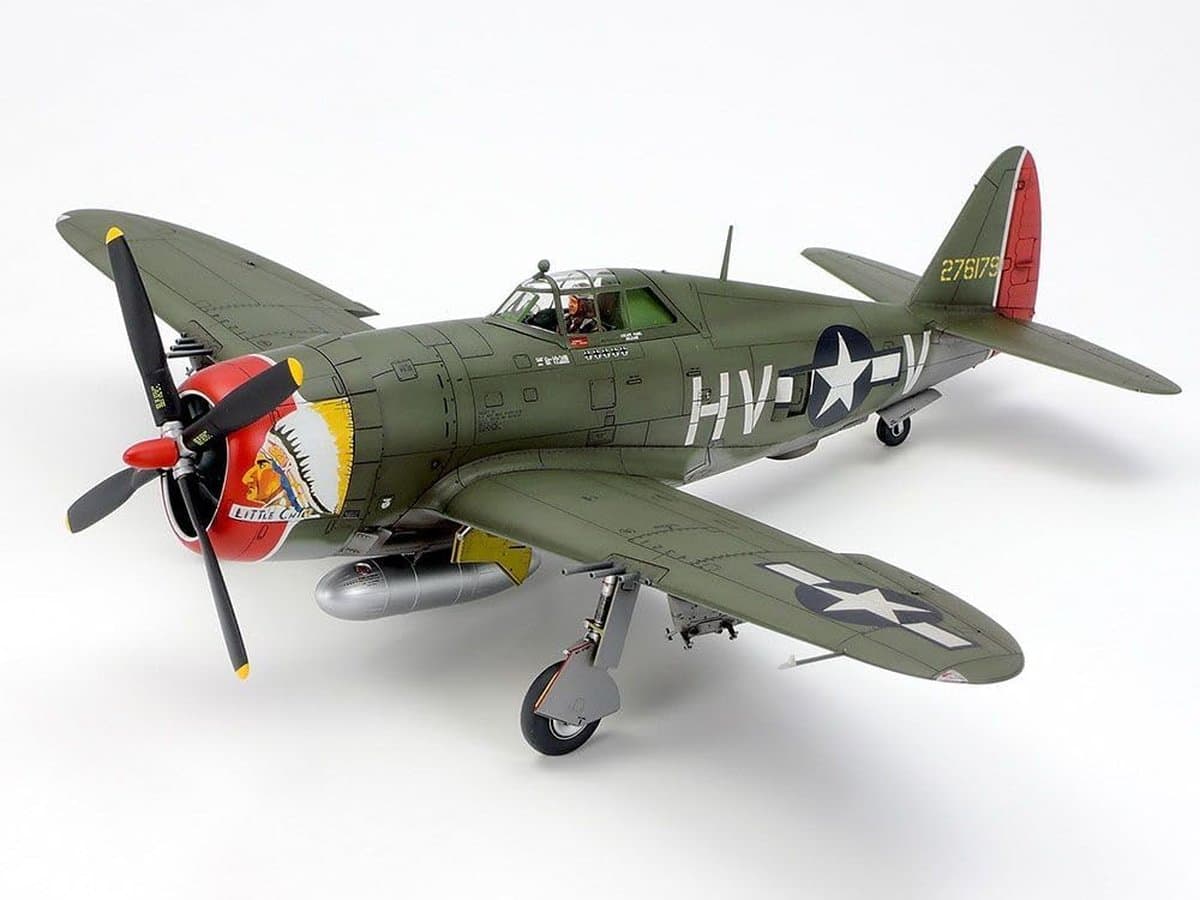
Compare 85+ WW2 scale model kits across aircraft, tanks, and ships. Beginner builds from $9 to museum-grade showpieces at $580. Covers Tamiya, Eduard, HK Models, Trumpeter, and more with honest reviews, trade-offs, and pricing.

On April 7, 1945, the Imperial Japanese Navy sent the largest battleship ever built on a one-way suicide mission to Okinawa. She never arrived. 386 American aircraft found her first, and sank her in under two hours.