

15 Best World War II Books for History Enthusiasts (2026)
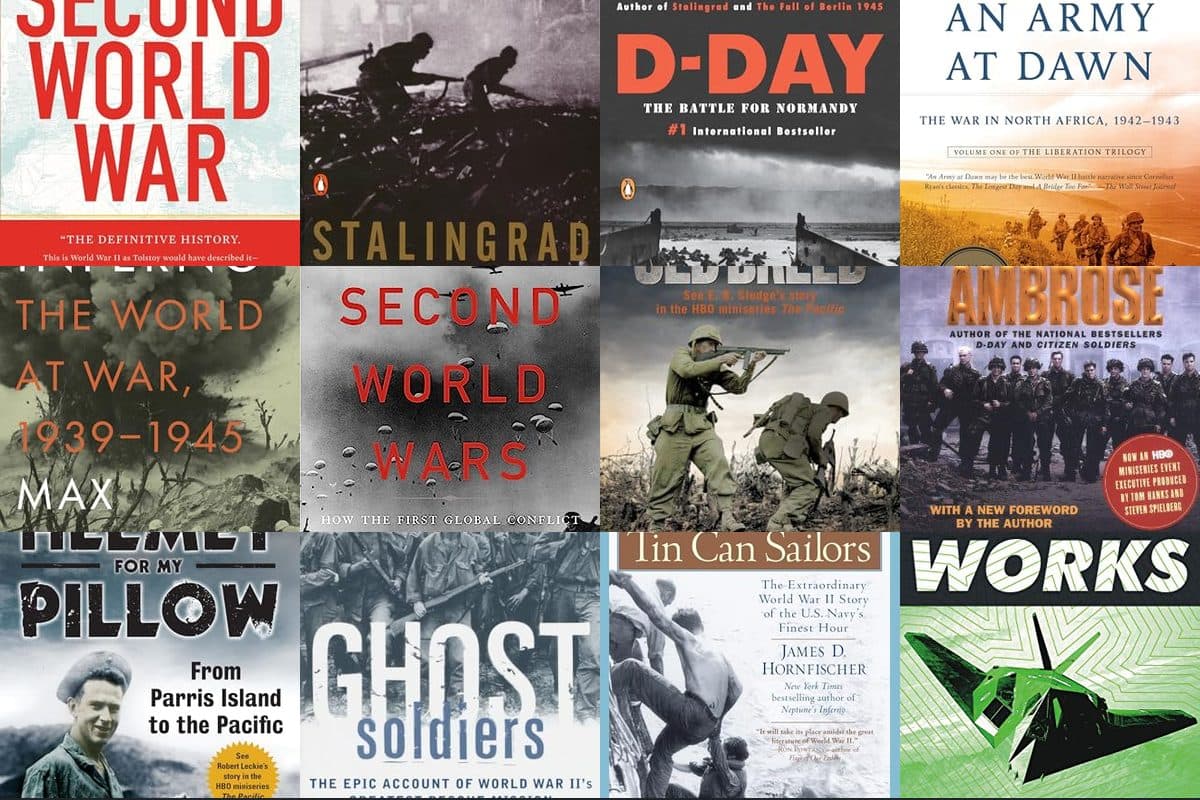
15 essential WW2 books covering every theater. Narrative histories, memoirs, and visual references ranked.
daniel-mercer··21 min read
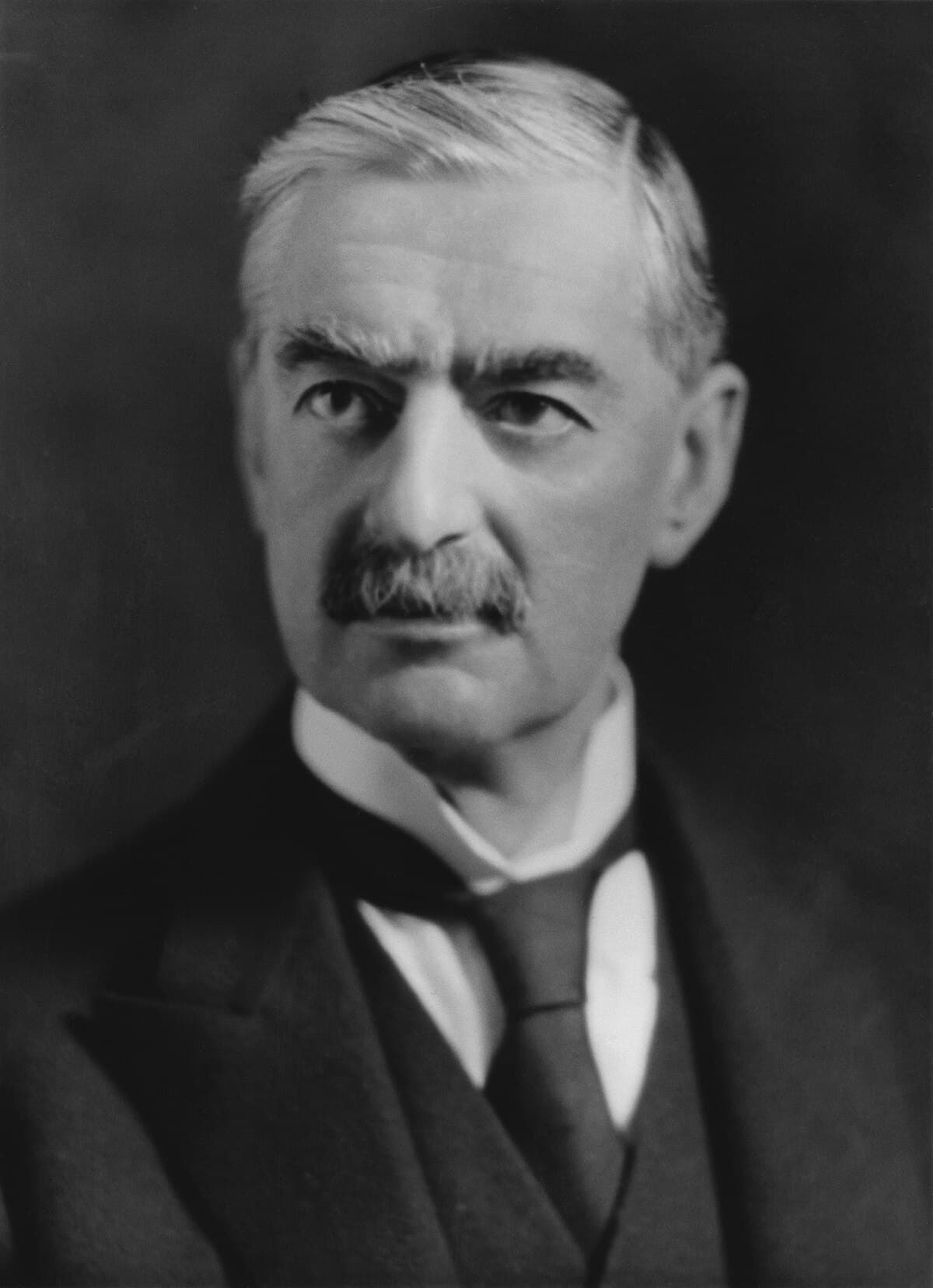
Prime Minister Neville Chamberlain announced that Britain would guarantee Poland's independence, drawing a line in the sand against further Nazi aggression and setting the stage for World War II.
Commodore Matthew Perry signed the Treaty of Kanagawa with Japanese representatives, ending over two centuries of Japanese isolation and opening two ports to American ships. The treaty, secured through the implicit threat of Perry's "Black Ships" squadron, launched Japan's transformation from a feudal society into a modern military power that would dominate East Asia within fifty years.
Union cavalry under General Sheridan clashed with Confederate forces under General Pickett near Dinwiddie Court House, Virginia, a critical engagement in the Appomattox Campaign that would lead to Lee's surrender.
Gustave Eiffel's iron tower was completed in Paris after two years of construction, reaching a height of 984 feet, the tallest man-made structure in the world. During World War I, the tower served as a critical military communications post, its radio transmitter intercepting German signals and playing a key role in the Allied victory at the First Battle of the Marne.
The United States formally took possession of the Danish West Indies (now the U.S. Virgin Islands) after purchasing them from Denmark for $25 million. The acquisition was driven entirely by military strategy, the islands controlled the Anegada Passage, a key approach to the Panama Canal, and the U.S. feared Germany might seize them as a submarine base during World War I.
Prime Minister Neville Chamberlain announced that Britain would guarantee Poland's independence, drawing a line in the sand against further Nazi aggression and setting the stage for World War II.
Japanese forces landed on Christmas Island in the Indian Ocean, meeting minimal resistance after the small British-Indian garrison mutinied. The occupation demonstrated Japan's ability to project power deep into the Indian Ocean.
A German pilot defected with an intact Messerschmitt Me 262 jet fighter, landing at an Allied airfield and giving Western engineers their first close look at the revolutionary aircraft that had threatened Allied air superiority.
President Lyndon B. Johnson stunned the nation by announcing he would not seek re-election, citing the need to focus on ending the Vietnam War, a decision driven by the political fallout from the Tet Offensive.
The Warsaw Pact military alliance was officially dissolved, ending the Soviet-led counterpart to NATO and marking the definitive end of the Cold War's military confrontation in Europe.
Four Blackwater USA private military contractors were ambushed, killed, and their bodies mutilated in Fallujah, Iraq. The incident triggered the First Battle of Fallujah and sparked intense debate about the role of private military companies.
Wear the Timeline
10 military events occurred on March 31, spanning multiple centuries. Key events include: British Guarantee to Poland (1939), Battle of Dinwiddie Court House (1865), LBJ Announces He Will Not Seek Re-election (1968), Warsaw Pact Formally Dissolved (1991).
The most significant military event on March 31 is British Guarantee to Poland (1939). Prime Minister Neville Chamberlain announced that Britain would guarantee Poland's independence, drawing a line in the sand against further Nazi aggression and setting the stage for World War II.
Notable military figures born on March 31 include Henry II of France (1519–1559), Cesar Chavez (1927–1993).
Events on March 31 span the Interwar Period, the Civil War, World War II, the Vietnam War, the Cold War, the Modern Era, World War I, covering 10 events across 3 centuries of military history.
Events on March 31 involve 4 branches of the U.S. and allied armed forces, reflecting the global scope of military operations throughout history.
Explore military history from the day you were born.
June 6
The Allied invasion of Normandy, the largest amphibious assault in history.
December 7
Japan attacks the U.S. Pacific Fleet, bringing America into World War II.
September 11
The deadliest terrorist attack in history transforms U.S. national security.
August 6
The first atomic bomb is dropped on a city, ushering in the nuclear age.
May 8
Nazi Germany surrenders unconditionally, ending World War II in Europe.
November 11
Armistice Day marks the end of World War I and honors all who served.
June 4
The turning point of the Pacific War as the U.S. Navy destroys four Japanese carriers.
July 4
The Declaration of Independence is adopted, sparking the American Revolution.
15 essential WW2 books covering every theater. Narrative histories, memoirs, and visual references ranked.
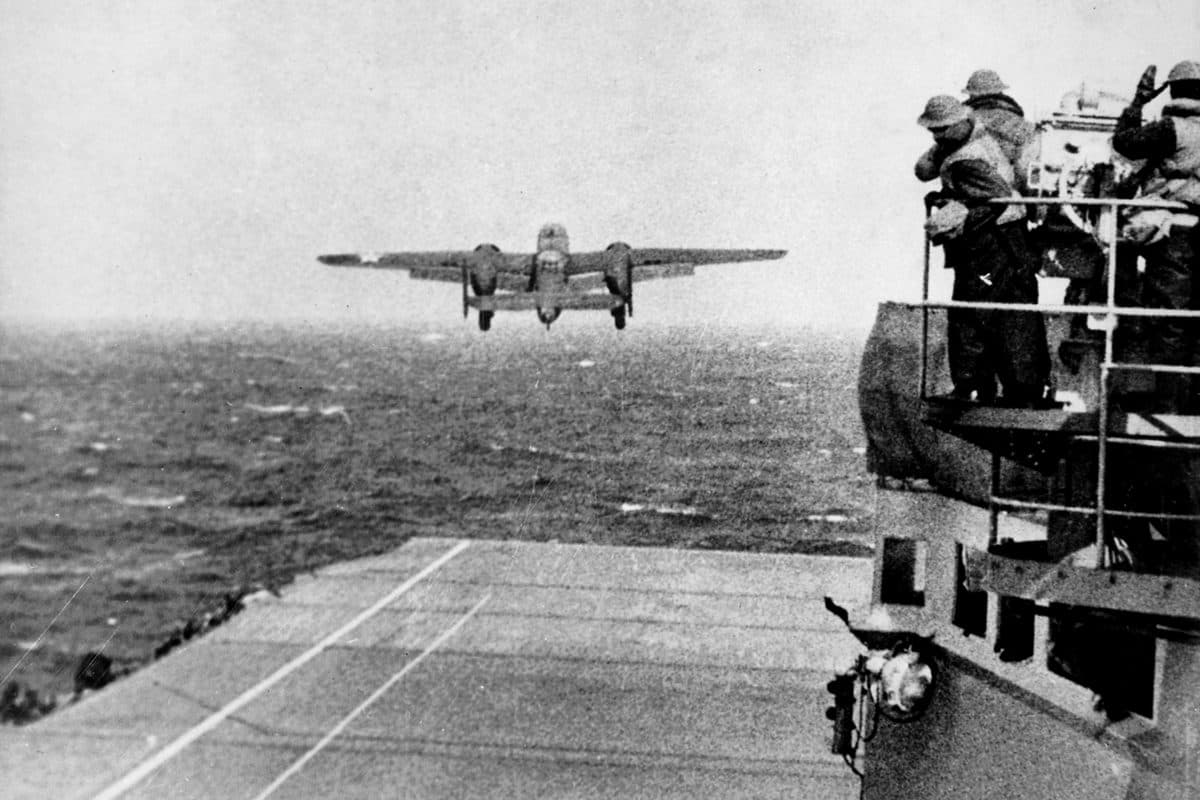
On April 18, 1942, sixteen B-25 Mitchell bombers did something no one thought possible: they launched from the deck of an aircraft carrier, flew 650 miles to Japan, and bombed Tokyo. Every aircraft was lost. The damage was negligible. The consequences changed the war.
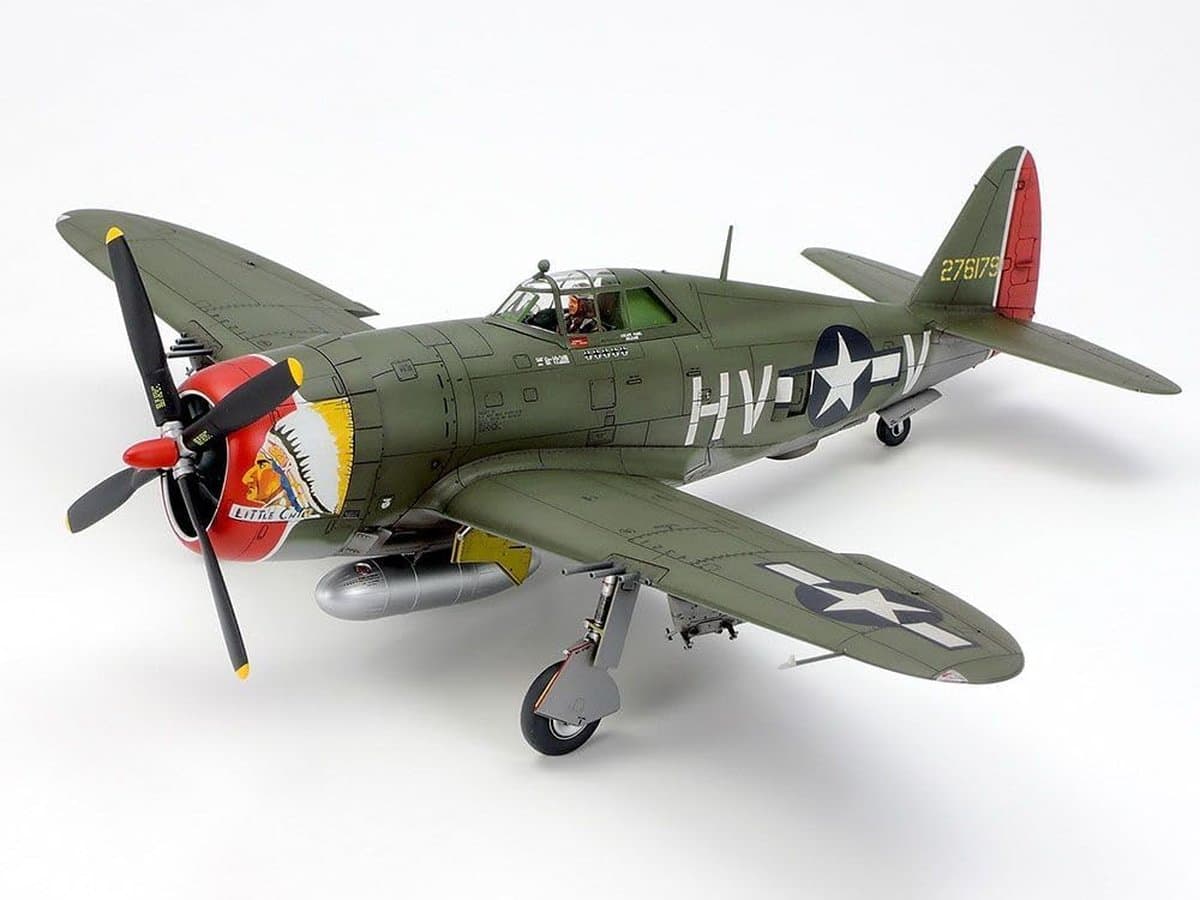
Compare 85+ WW2 scale model kits across aircraft, tanks, and ships. Beginner builds from $9 to museum-grade showpieces at $580. Covers Tamiya, Eduard, HK Models, Trumpeter, and more with honest reviews, trade-offs, and pricing.

On April 7, 1945, the Imperial Japanese Navy sent the largest battleship ever built on a one-way suicide mission to Okinawa. She never arrived. 386 American aircraft found her first, and sank her in under two hours.