

15 Best World War II Books for History Enthusiasts (2026)
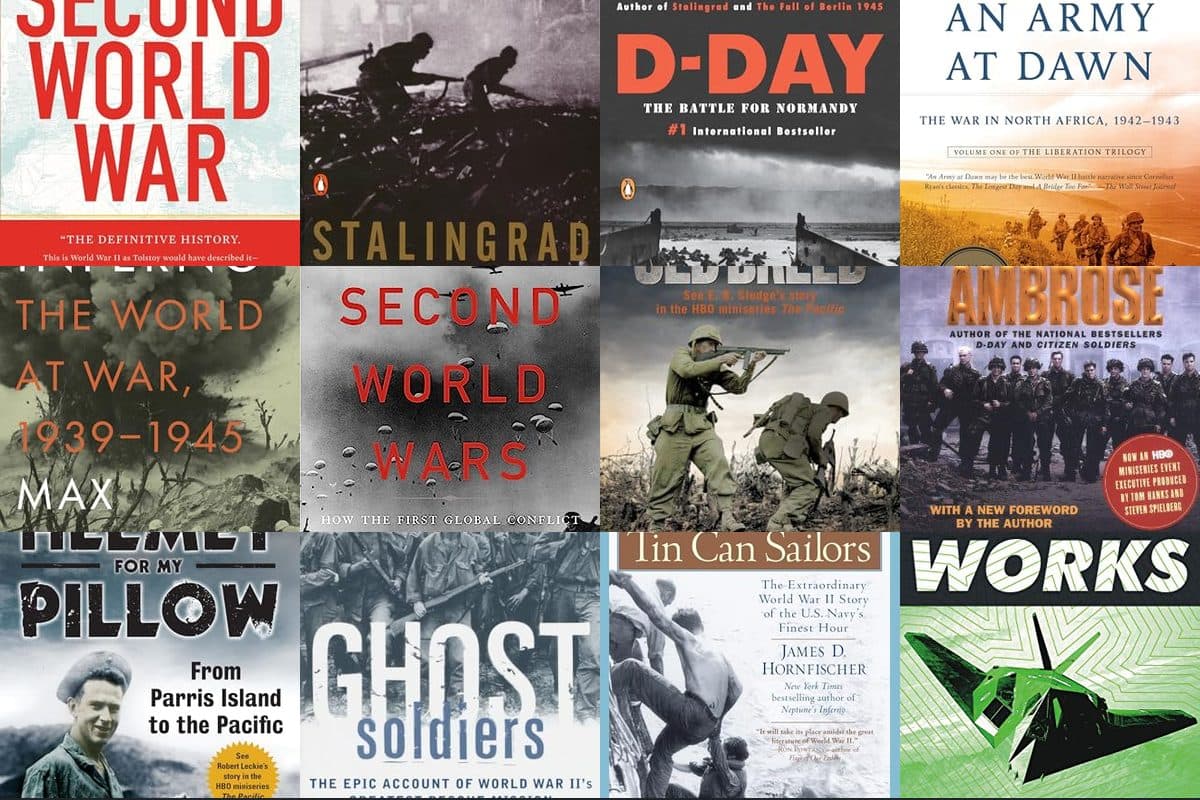
15 essential WW2 books covering every theater. Narrative histories, memoirs, and visual references ranked.
daniel-mercer··21 min read

After a 1,170-mile fighting retreat across four states that military historians have compared to Xenophon's march to the sea, Nez Perce Chief Joseph surrendered to U.S. Army forces under Colonel Nelson Miles near the Bear Paw Mountains of Montana, just 40 miles from the Canadian border and freedom. His surrender speech, "From where the sun now stands, I will fight no more forever", became one of the most poignant statements in American military history.
American forces under Major General William Henry Harrison decisively defeated a combined British and Native American force at the Battle of the Thames in Upper Canada. The great Shawnee leader Tecumseh, who had forged the largest Native American military confederation since Pontiac's War, was killed in the fighting. His death destroyed the last significant Native American military alliance east of the Mississippi and ensured American dominance of the Northwest Territory.
American forces under Major General William Henry Harrison decisively defeated a combined British and Native American force at the Battle of the Thames in Upper Canada. The battle killed Shawnee war chief Tecumseh, whose confederation had been the most formidable Native American military alliance in history. His death ended organized Native American military resistance east of the Mississippi.
A Confederate division under Major General Samuel French attacked the Union supply depot at Allatoona Pass, Georgia, defended by Brigadier General John Corse with a much smaller force. In savage close-quarters fighting, Corse held the position despite losing nearly 30 percent of his garrison. Sherman signaled encouragement from Kennesaw Mountain: "Hold the fort, for I am coming", a phrase that entered the American lexicon.
After a 1,170-mile fighting retreat across four states, Nez Perce Chief Joseph surrendered to U.S. Army forces near the Bear Paw Mountains of Montana. His surrender speech became one of the most poignant statements in American military history.
French pilot Sergeant Joseph Frantz and his observer Louis Quénault, flying a Voisin III pusher biplane, shot down a German Aviatik two-seat observation aircraft over Jonchery-sur-Vesle, France. Quénault used a Hotchkiss machine gun to bring down the German plane, scoring the first confirmed aerial victory in history and inaugurating the age of aerial warfare that would transform military operations.
The Provisional Government of the French Republic, led by Charles de Gaulle, officially granted women the right to vote and stand for election. The decision, made in liberated Algiers, recognized the crucial role of women in the French Resistance during the German occupation. French women would vote for the first time in the municipal elections of April 1945.
The First Canadian Army launched the Battle of the Scheldt, a two-month amphibious and infantry campaign to clear German forces from the estuary approaches to Antwerp. Opening Antwerp to Allied shipping was essential to solving the supply crisis that was strangling the advance into Germany. The campaign cost the Canadians over 12,000 casualties and opened the port that fueled the final drive to the Rhine.
President Harry S. Truman delivered the first televised address from the White House on October 5, 1947, speaking to the American public about the food crisis in postwar Europe. The broadcast initiated the modern presidential use of television that would shape American military decision-making through public opinion for the following seventy-five years.
The US Navy commissioned USS Saratoga (CV-60), the second Forrestal-class supercarrier, at the New York Naval Shipyard. At 60,000 tons and 1,039 feet long, Saratoga introduced the angled flight deck, steam catapults, and deck-edge elevators that became standard for every subsequent American carrier. She served for 38 years, launching strikes in Vietnam, the Libya raids of 1986, and Desert Storm.
The first episode of Monty Python's Flying Circus aired on BBC One. While not a military event, the show featured extensive military humor, including iconic sketches about the "Ministry of Silly Walks," the "Spanish Inquisition," and numerous World War II parodies. Multiple troupe members had military connections, John Cleese's father served in the Army, and Michael Palin's father was an engineer who worked on military projects. The show's absurdist style influenced military culture and humor for generations.

American physicist and pioneer of modern rocketry who launched the world's first liquid-fueled rocket in 1926. Goddard's work laid the foundation for all ballistic missiles and space launch vehicles. During World War II, he worked on jet-assisted takeoff systems for the U.S. Navy. The Germans studied his published research while developing the V-2 rocket.

Brigadier General (Militia)
Future 21st President of the United States who served as Inspector General and later Quartermaster General of New York State during the Civil War. Arthur was responsible for equipping and supplying tens of thousands of New York troops passing through the state on their way to the front.

Shawnee chief and military leader who built the largest Native American military confederation in North American history, uniting tribes from the Great Lakes to the Gulf of Mexico against American expansion. Allied with Britain during the War of 1812, Tecumseh was killed at the Battle of the Thames on October 5, 1813. His death ended the dream of a unified Native American resistance.
Wear the Timeline
10 military events occurred on October 5, spanning multiple centuries. Key events include: Chief Joseph Surrenders, "I Will Fight No More Forever" (1877), Battle of the Thames, Death of Tecumseh (1813), First Aerial Combat Victory (1914), Battle of the Thames Kills Tecumseh (1813), Canadian Forces Begin Liberation of Scheldt Estuary (1944).
The most significant military event on October 5 is Chief Joseph Surrenders, "I Will Fight No More Forever" (1877). After a 1,170-mile fighting retreat across four states that military historians have compared to Xenophon's march to the sea, Nez Perce Chief Joseph surrendered to U.S. Army forces under Colonel Nelson Miles near the Bear Paw Mountains of Montana, just 40 miles from the Canadian border and freedom. His surrender speech, "From where the sun now stands, I will fight no more forever", became one of the most poignant statements in American military history.
Notable military figures born on October 5 include Robert Goddard (1882–1945), Chester A. Arthur (1829–1886).
Events on October 5 span the Interwar Period, the Colonial & Revolutionary era, World War II, World War I, the Civil War, the Cold War, covering 10 events across 2 centuries of military history.
Events on October 5 involve 3 branches of the U.S. and allied armed forces, reflecting the global scope of military operations throughout history.
Explore military history from the day you were born.
June 6
The Allied invasion of Normandy, the largest amphibious assault in history.
December 7
Japan attacks the U.S. Pacific Fleet, bringing America into World War II.
September 11
The deadliest terrorist attack in history transforms U.S. national security.
August 6
The first atomic bomb is dropped on a city, ushering in the nuclear age.
May 8
Nazi Germany surrenders unconditionally, ending World War II in Europe.
November 11
Armistice Day marks the end of World War I and honors all who served.
June 4
The turning point of the Pacific War as the U.S. Navy destroys four Japanese carriers.
July 4
The Declaration of Independence is adopted, sparking the American Revolution.
15 essential WW2 books covering every theater. Narrative histories, memoirs, and visual references ranked.
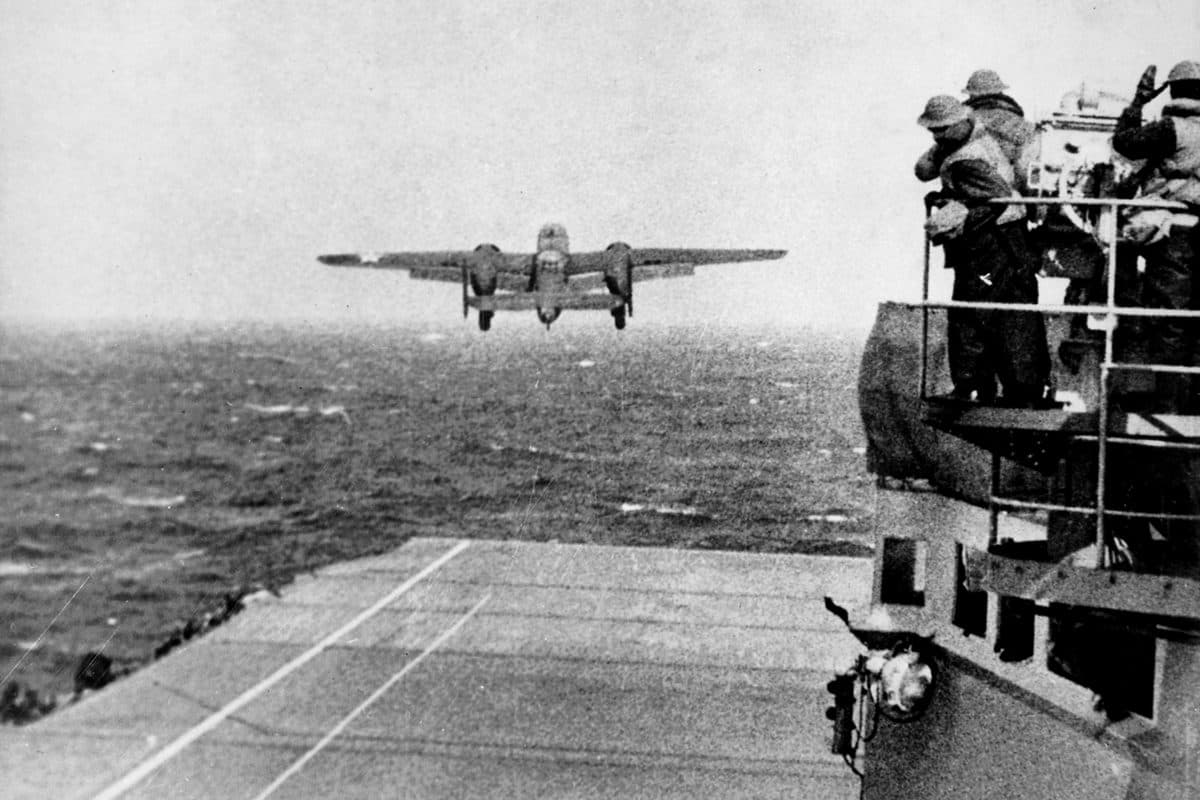
On April 18, 1942, sixteen B-25 Mitchell bombers did something no one thought possible: they launched from the deck of an aircraft carrier, flew 650 miles to Japan, and bombed Tokyo. Every aircraft was lost. The damage was negligible. The consequences changed the war.
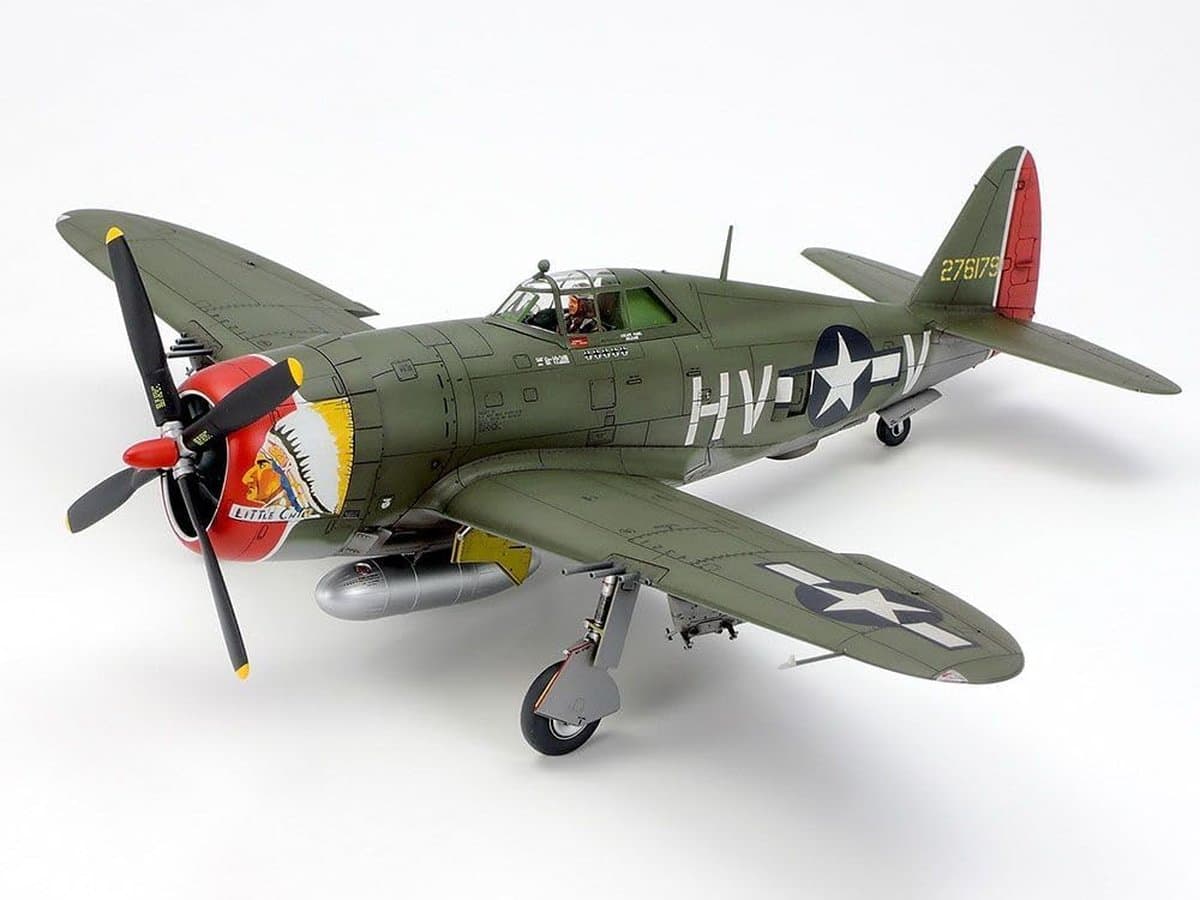
Compare 85+ WW2 scale model kits across aircraft, tanks, and ships. Beginner builds from $9 to museum-grade showpieces at $580. Covers Tamiya, Eduard, HK Models, Trumpeter, and more with honest reviews, trade-offs, and pricing.

On April 7, 1945, the Imperial Japanese Navy sent the largest battleship ever built on a one-way suicide mission to Okinawa. She never arrived. 386 American aircraft found her first, and sank her in under two hours.