


23 Military Rules That Exist Only Because Something Went Wrong Once
Every regulation has a backstory. These 23 rules trace directly to specific incidents.
ryan-caldwell··24 min read
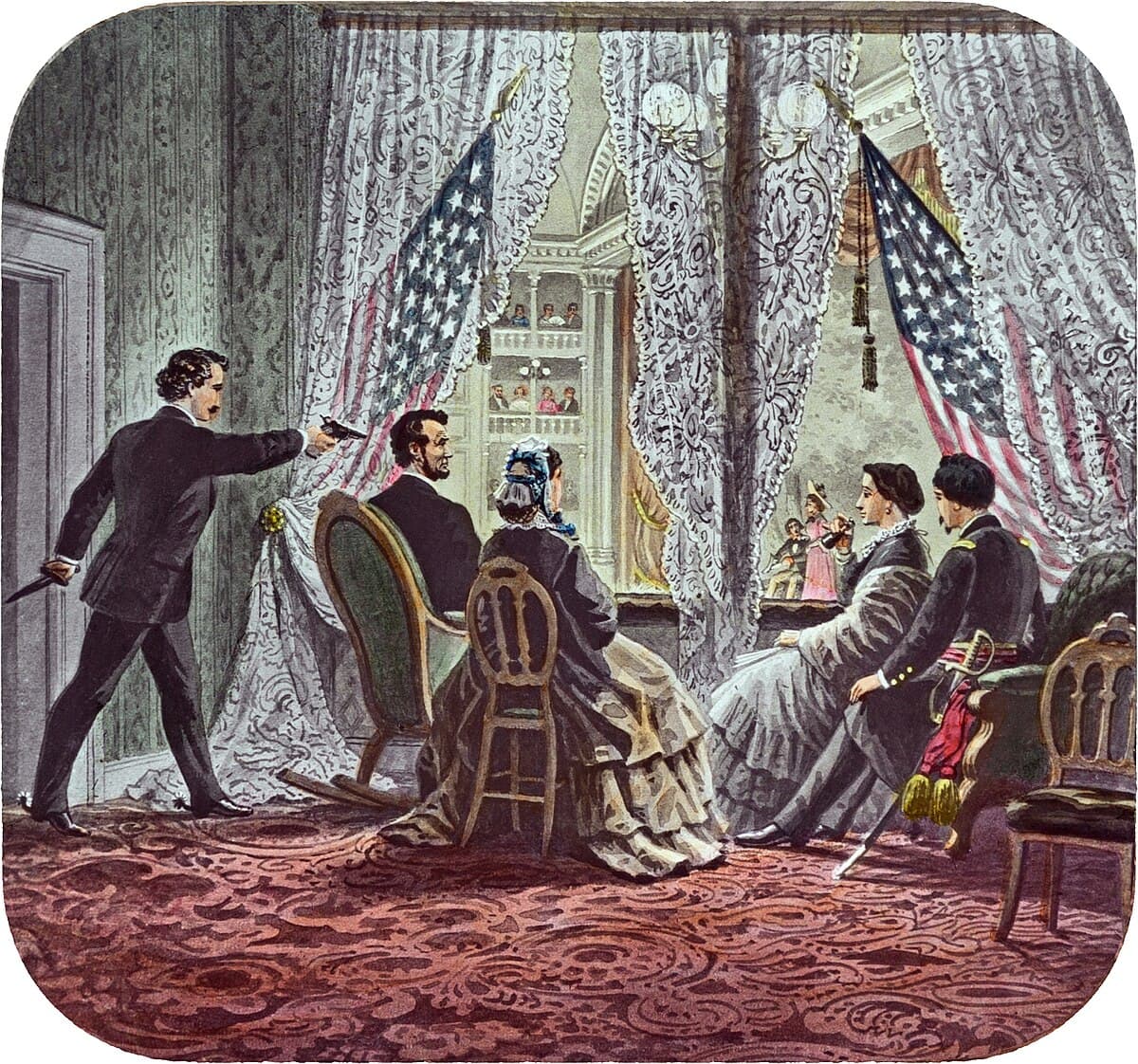
On Good Friday evening, five days after Lee's surrender, actor and Confederate sympathizer John Wilkes Booth shot President Lincoln in the back of the head during a performance at Ford's Theatre. Booth leapt to the stage shouting "Sic semper tyrannis!" Lincoln was carried to the Petersen House, where he lingered unconscious through the night.
John Wilkes Booth shot President Lincoln during a performance at Ford's Theatre, five days after Lee's surrender. Lincoln died the following morning, the first U.S. presidential assassination.
On the same day Lincoln was shot, Major General Robert Anderson, who had surrendered Fort Sumter four years earlier, returned to raise the same American flag over the recaptured fort. The tragic coincidence of triumph and tragedy made April 14 one of the most dramatic days in American history.
The British liner RMS Titanic struck an iceberg at 11:40 PM in the North Atlantic and sank two hours later. The disaster prompted the 1914 International Convention for the Safety of Life at Sea and the founding of the International Ice Patrol under U.S. Coast Guard command.
The Curtiss XP-36 prototype flew for the first time at Buffalo, New York. The all-metal monoplane fighter entered Army Air Corps service as the P-36 Hawk and evolved into the P-40 Warhawk that served through World War II.
The destroyer USS Roper sank German submarine U-85 off North Carolina, the first U-boat destroyed in American waters following Germany's Operation Drumbeat. All 46 German crew were killed.
Elements of the U.S. 7th Army reached the outskirts of Nuremberg, the symbolic capital of the Nazi movement, beginning a fierce four-day battle against fanatical SS defenders. The city fell on April 20.
North Korean MiG-21 fighters shot down a U.S. Navy EC-121M Warning Star over the Sea of Japan, killing all 31 crew members, the largest single loss of American aircrewmen during the Cold War.
F-111F and A-6E strike packages at RAF Lakenheath and Upper Heyford completed final arming and briefings for the raid on Libya the following night in retaliation for the La Belle discotheque bombing.
The frigate USS Samuel B. Roberts struck an Iranian mine in the Persian Gulf during Operation Earnest Will, blowing a 25-foot hole in the hull. The mining triggered Operation Praying Mantis four days later, the largest U.S. naval surface engagement since WWII.
Related articleThe Eyjafjallajokull volcanic eruption spread an ash cloud across European airspace, grounding most NATO fixed-wing flight operations for six days. The disruption exposed the fragility of coalition air mobility.

Brevet Brigadier General, U.S. Army
Medal of Honor recipient for gallantry at Chickamauga who served as aide-de-camp to General Grant. Later served as U.S. Ambassador to France, where he located and returned John Paul Jones's remains to the United States.

"The Kingmaker"
The most powerful nobleman in England during the Wars of the Roses, known as "the Kingmaker" for his role in deposing and installing monarchs. Killed at the Battle of Barnet while trying to flee the field.
Wear the Timeline
10 military events occurred on April 14, spanning multiple centuries. Key events include: Abraham Lincoln Shot at Ford's Theatre (1865), Flag Raising at Fort Sumter (1865).
The most significant military event on April 14 is Abraham Lincoln Shot at Ford's Theatre (1865). On Good Friday evening, five days after Lee's surrender, actor and Confederate sympathizer John Wilkes Booth shot President Lincoln in the back of the head during a performance at Ford's Theatre. Booth leapt to the stage shouting "Sic semper tyrannis!" Lincoln was carried to the Petersen House, where he lingered unconscious through the night.
Notable military figures born on April 14 include Horace Porter (1837–1921).
Events on April 14 span the Civil War, the Modern Era, World War II, the Cold War, the Interwar Period, covering 10 events across 3 centuries of military history.
Events on April 14 involve 5 branches of the U.S. and allied armed forces, reflecting the global scope of military operations throughout history.
Explore military history from the day you were born.
June 6
The Allied invasion of Normandy, the largest amphibious assault in history.
December 7
Japan attacks the U.S. Pacific Fleet, bringing America into World War II.
September 11
The deadliest terrorist attack in history transforms U.S. national security.
August 6
The first atomic bomb is dropped on a city, ushering in the nuclear age.
May 8
Nazi Germany surrenders unconditionally, ending World War II in Europe.
November 11
Armistice Day marks the end of World War I and honors all who served.
June 4
The turning point of the Pacific War as the U.S. Navy destroys four Japanese carriers.
July 4
The Declaration of Independence is adopted, sparking the American Revolution.
Every regulation has a backstory. These 23 rules trace directly to specific incidents.
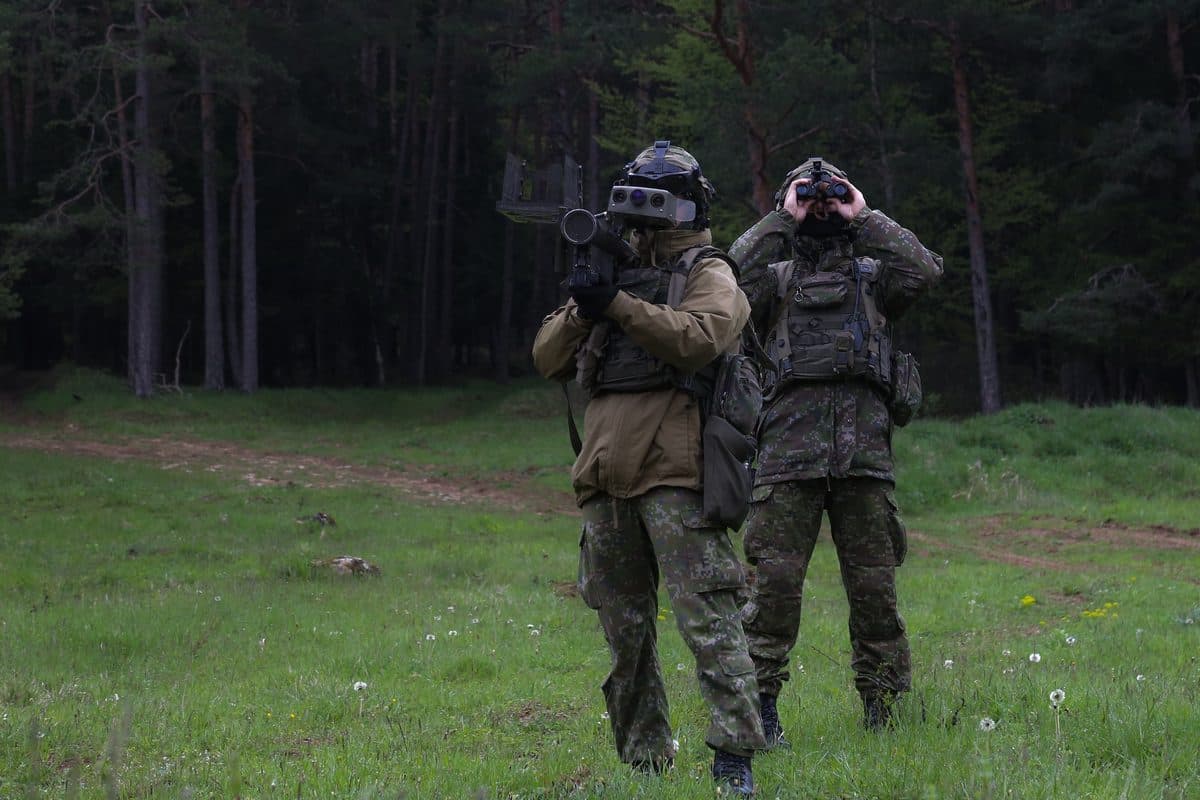
The FIM-92 Stinger helped win the Cold War by turning Afghan mujahideen into a credible anti-aircraft threat. By 2023, the United States almost ran out of them, because Raytheon stopped making them for 13 years, and the first 10 months of Ukraine support burned through the remaining stockpile.
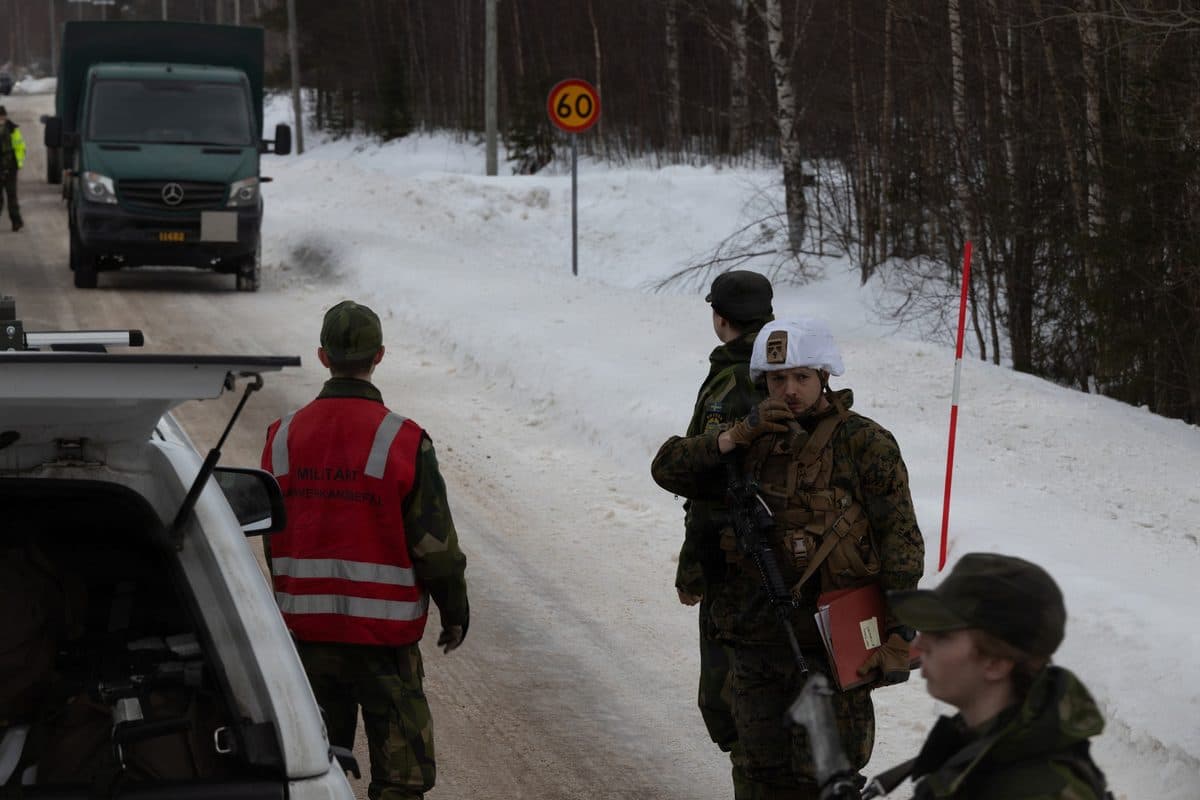
Amateurs study tactics. Professionals study logistics. The most quoted military truism is also the most ignored. From WWII's industrial avalanche to Russia's 40-mile traffic jam in Ukraine, every major conflict proves the same lesson, and the U.S. military's just-in-time supply model may not survive a real fight.
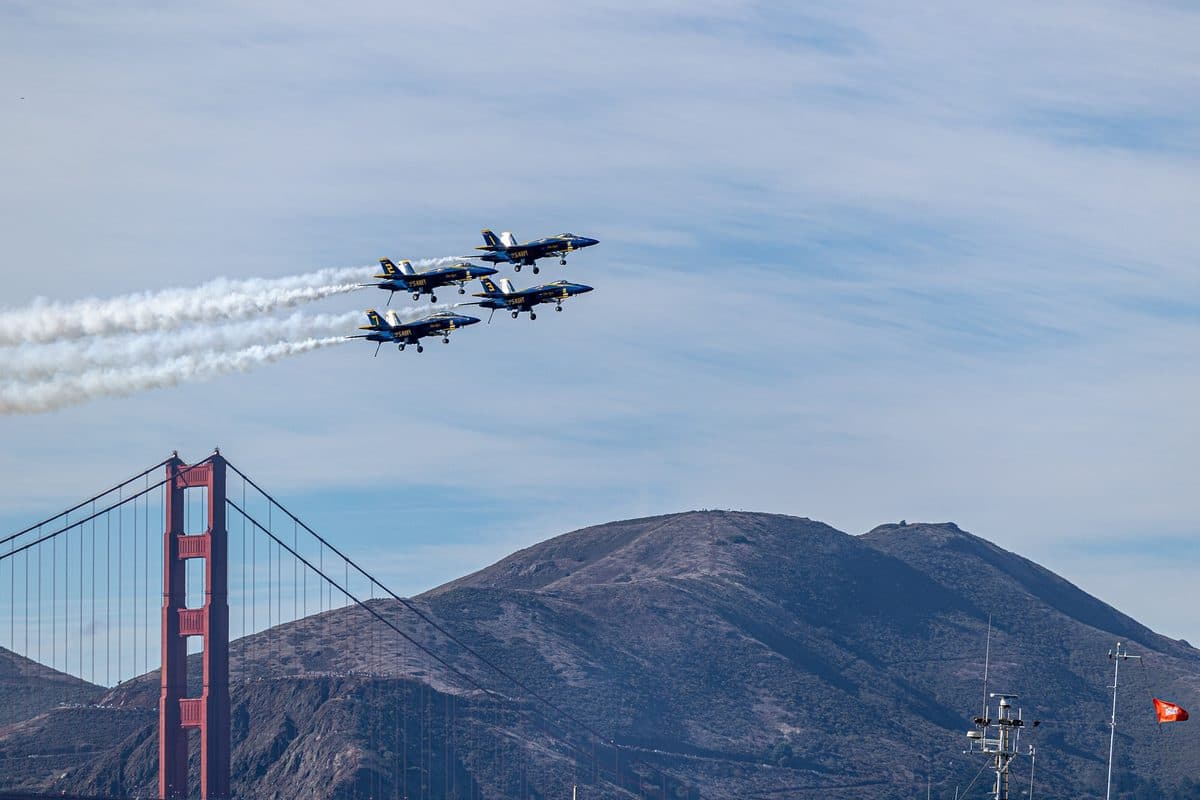
Eighteen inches. At 400 mph. The margin for error is less than the length of your forearm. How the Blue Angels and Thunderbirds train their pilots to fly in formation so tight that one flinch would be catastrophic, and why the military considers air show teams a combat-relevant mission.